
Artist Statement
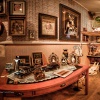
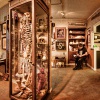
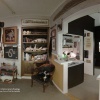
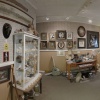
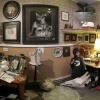
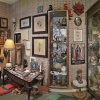
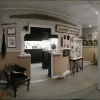
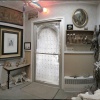
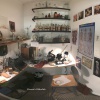
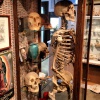
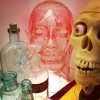
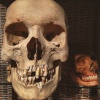
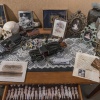
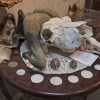
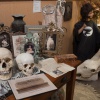
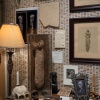
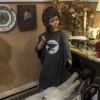
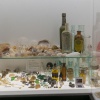
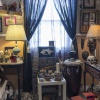
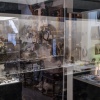
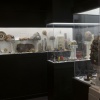
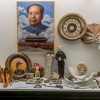
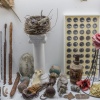
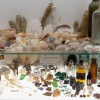
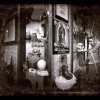
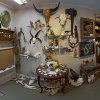
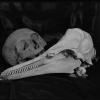
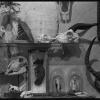
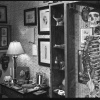
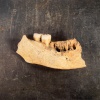
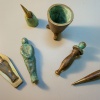
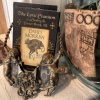
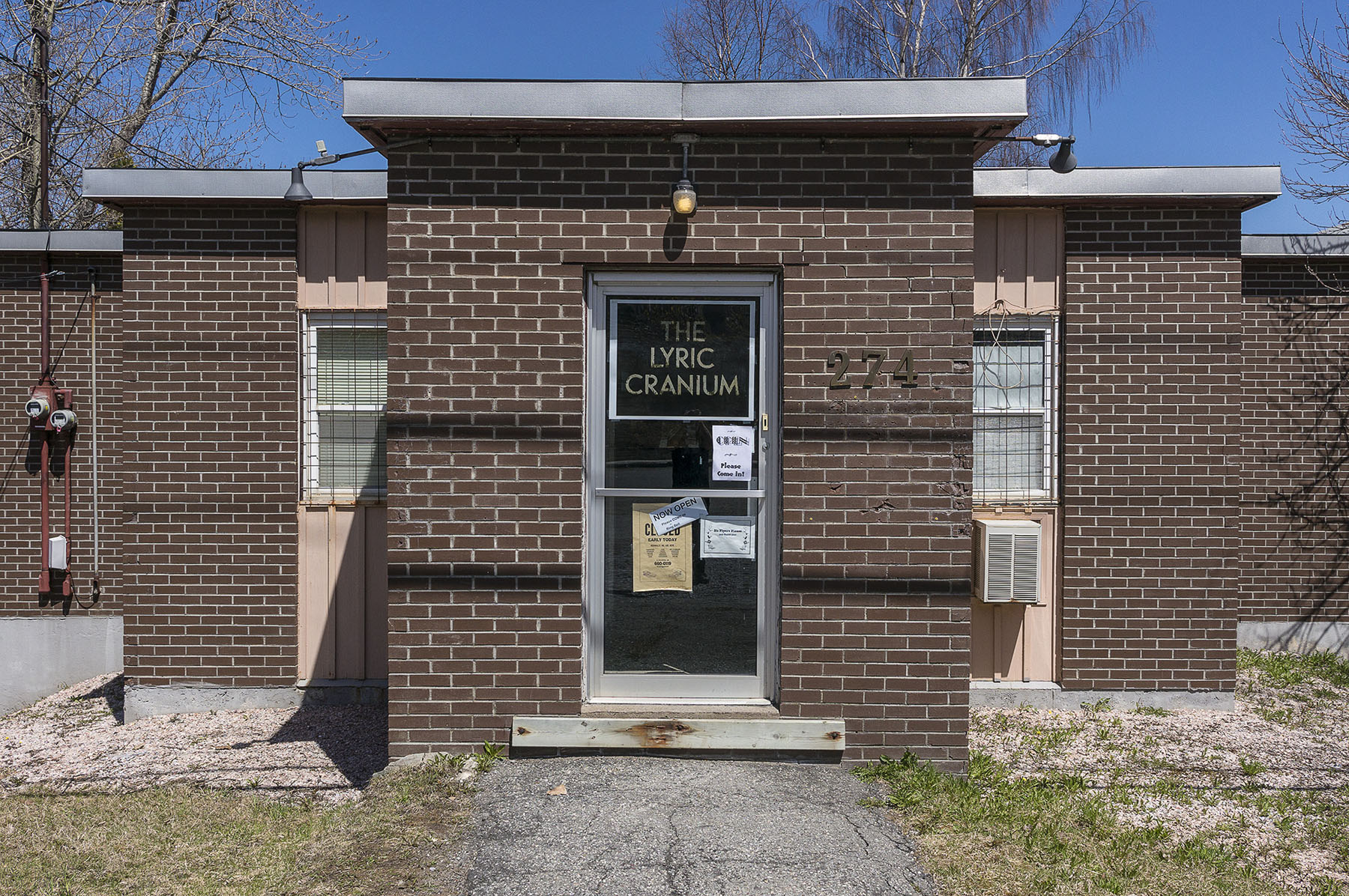
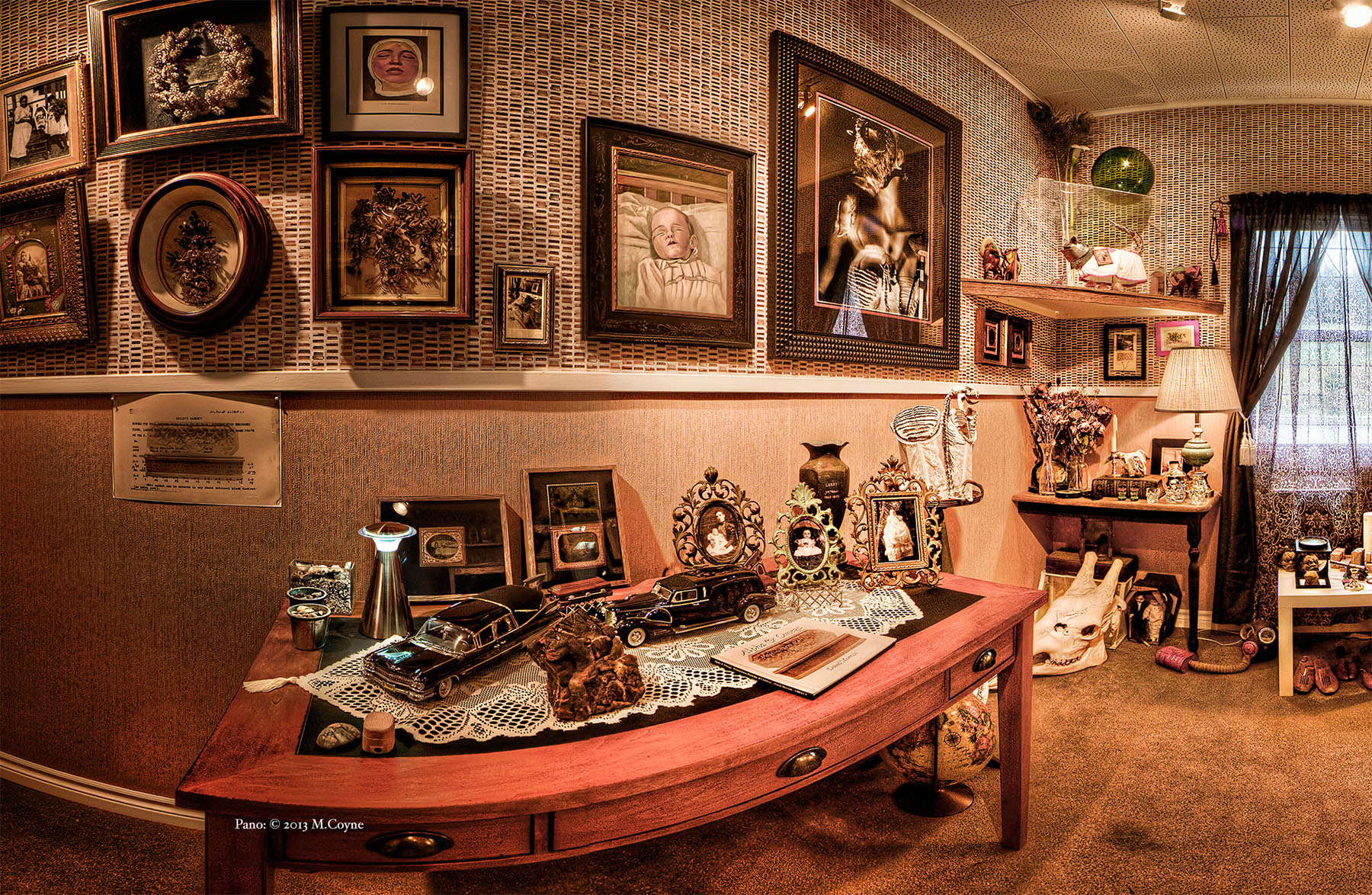
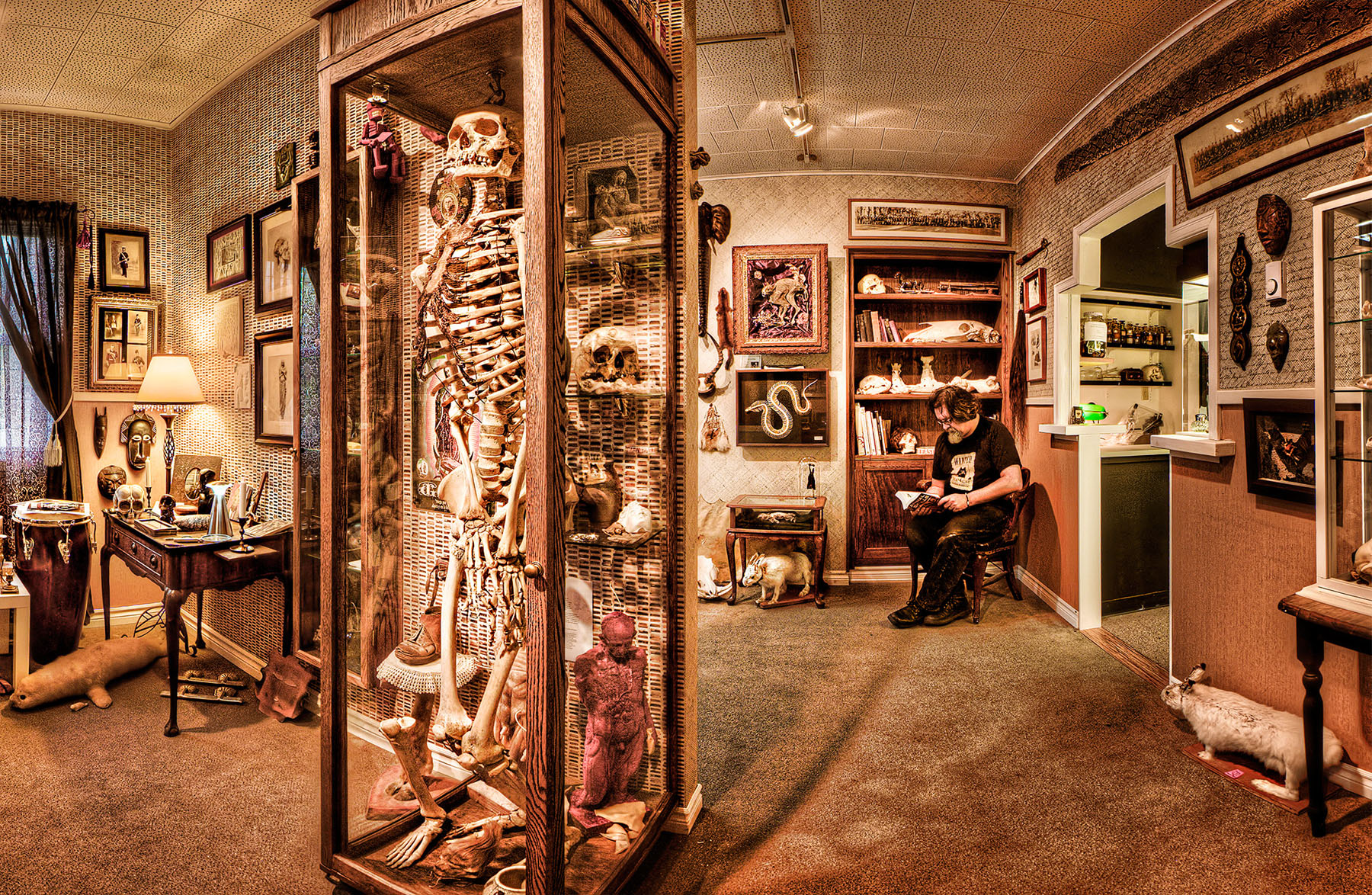
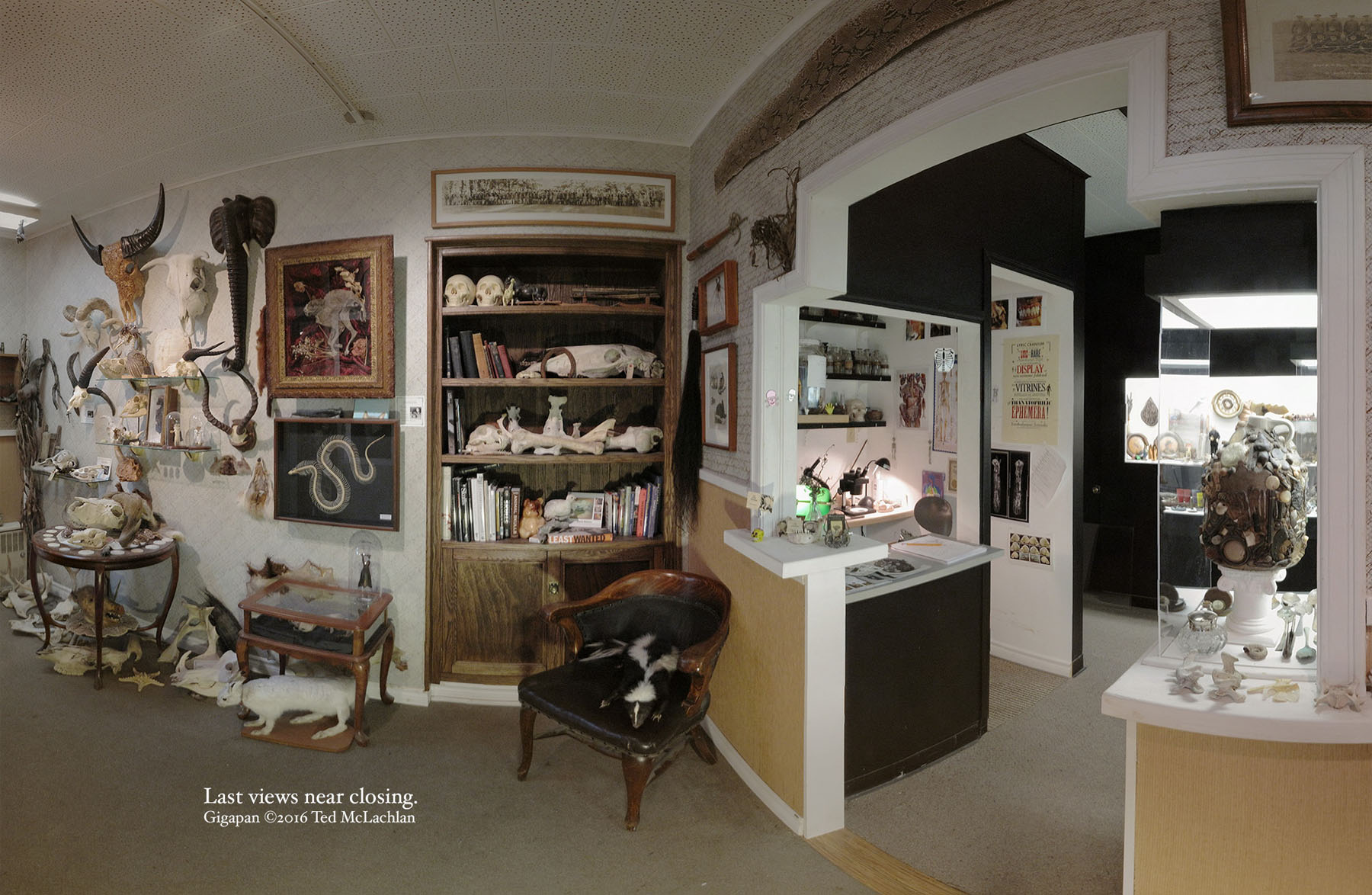
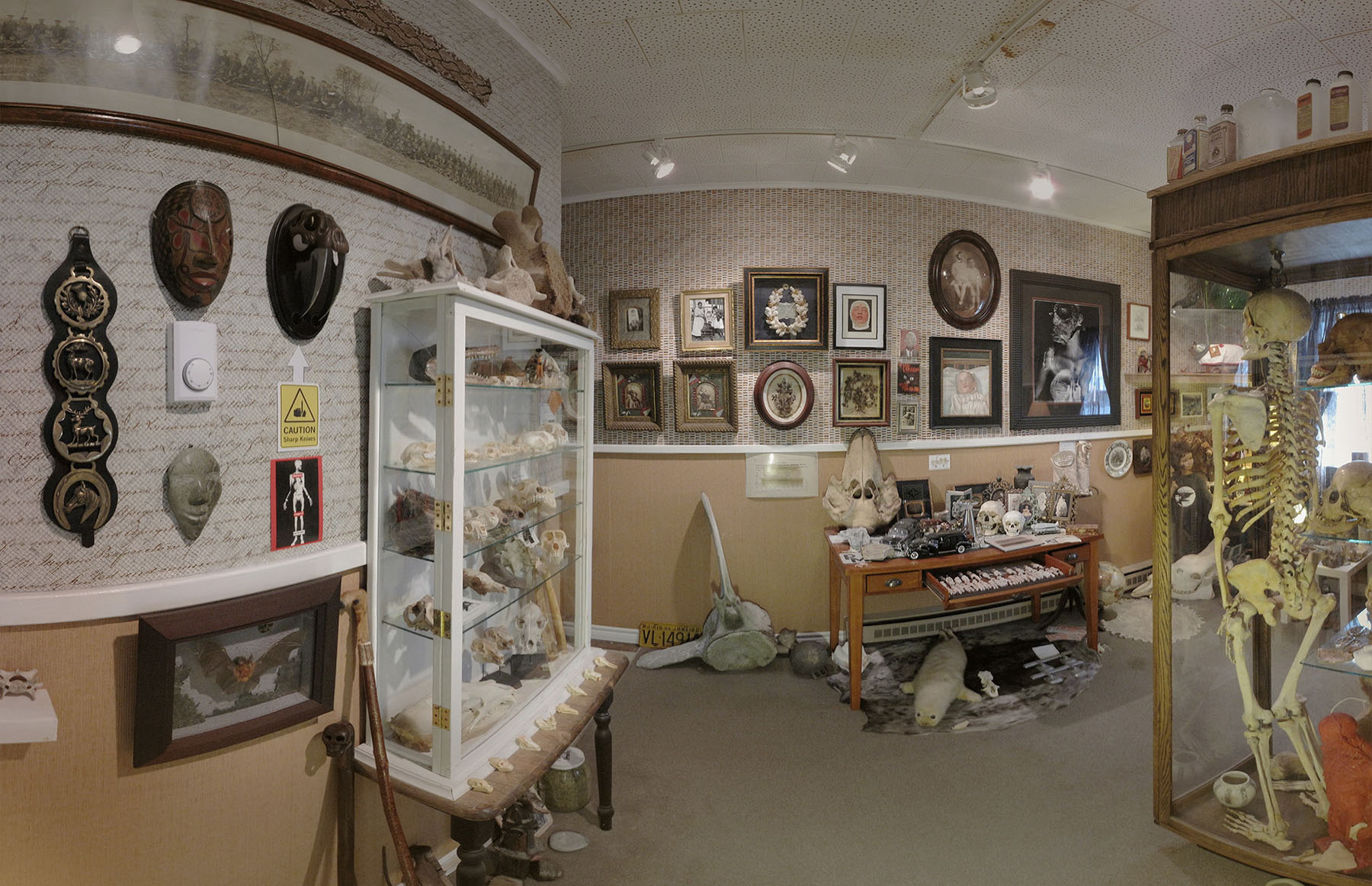
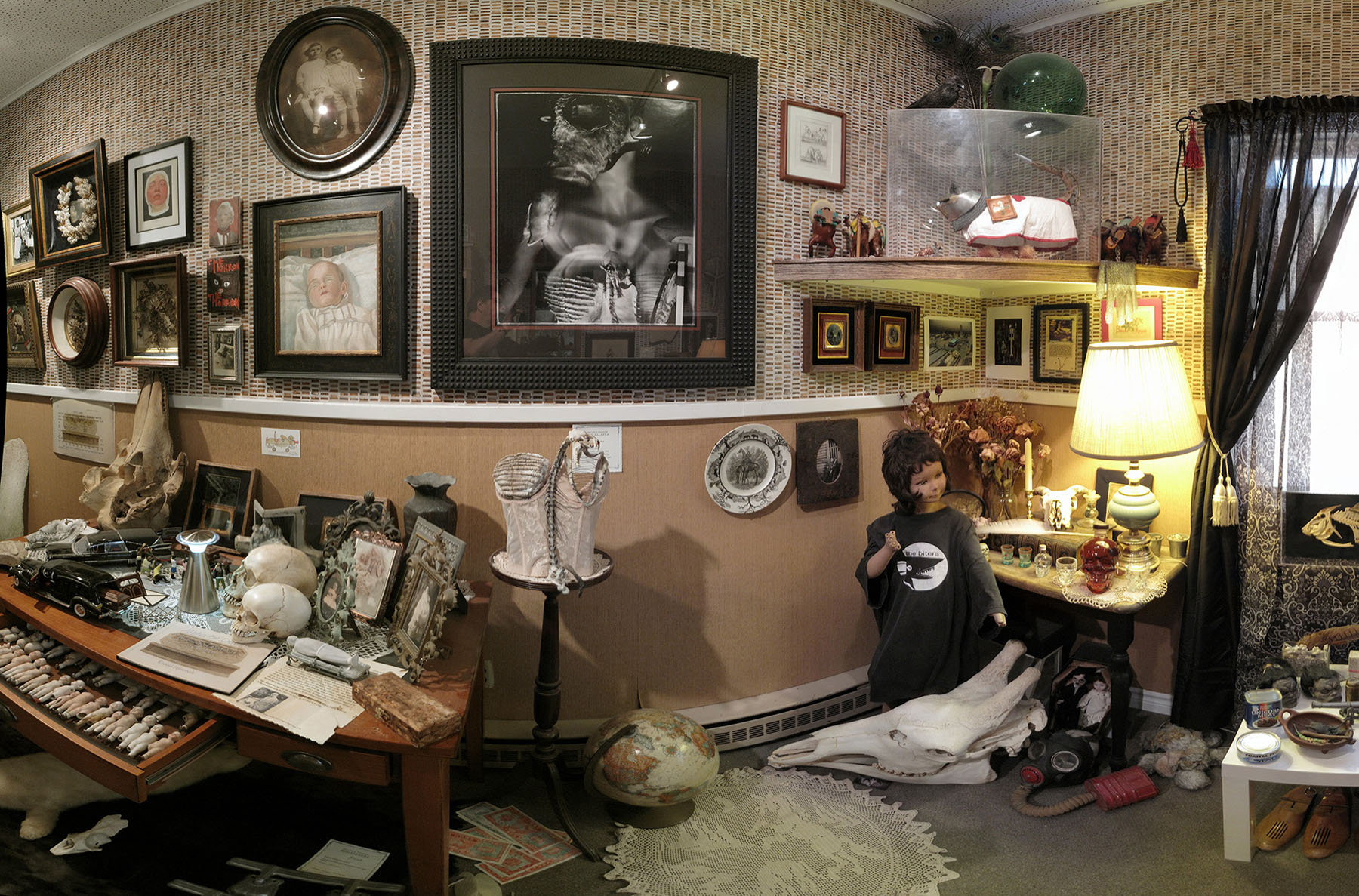
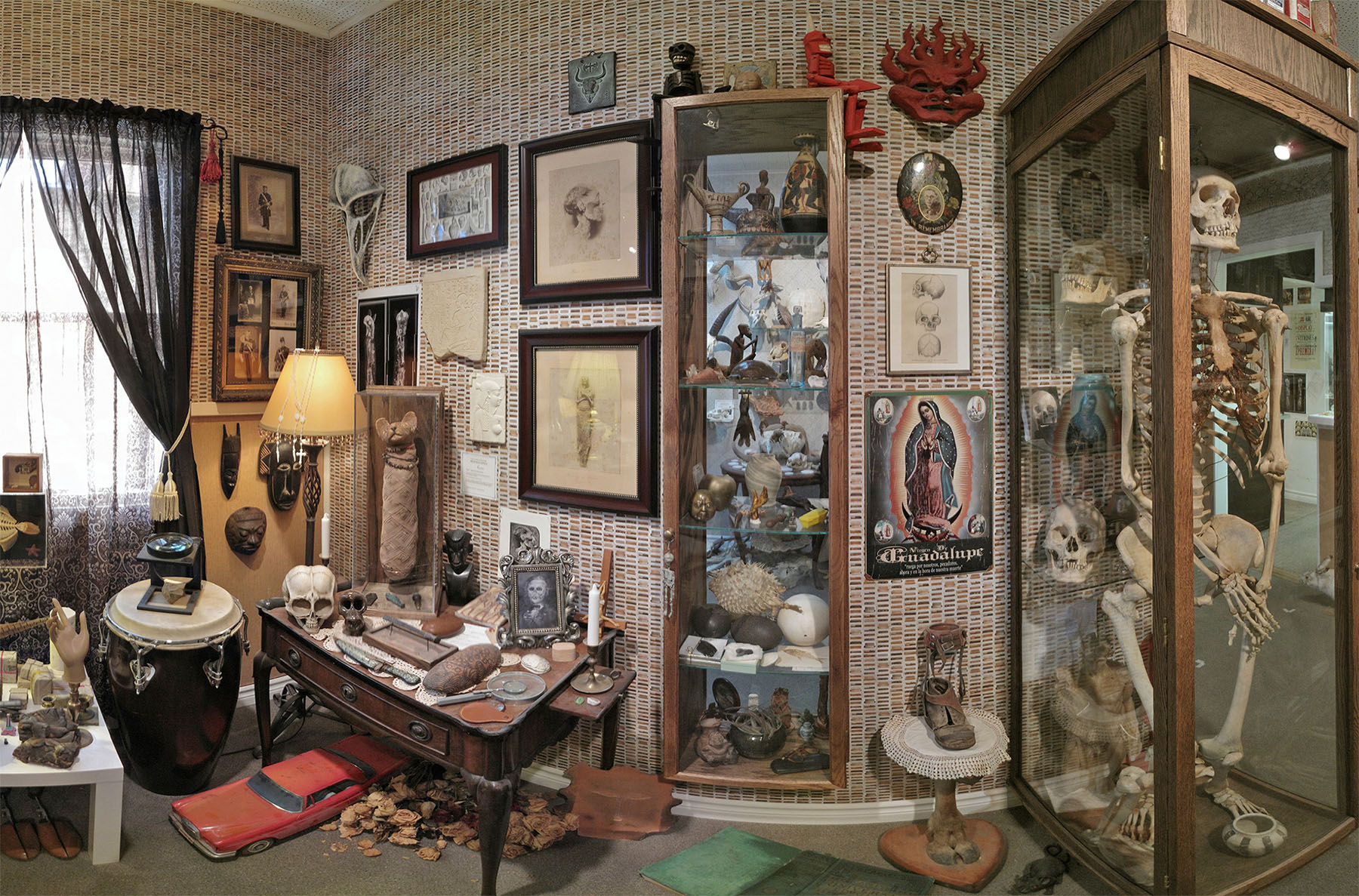
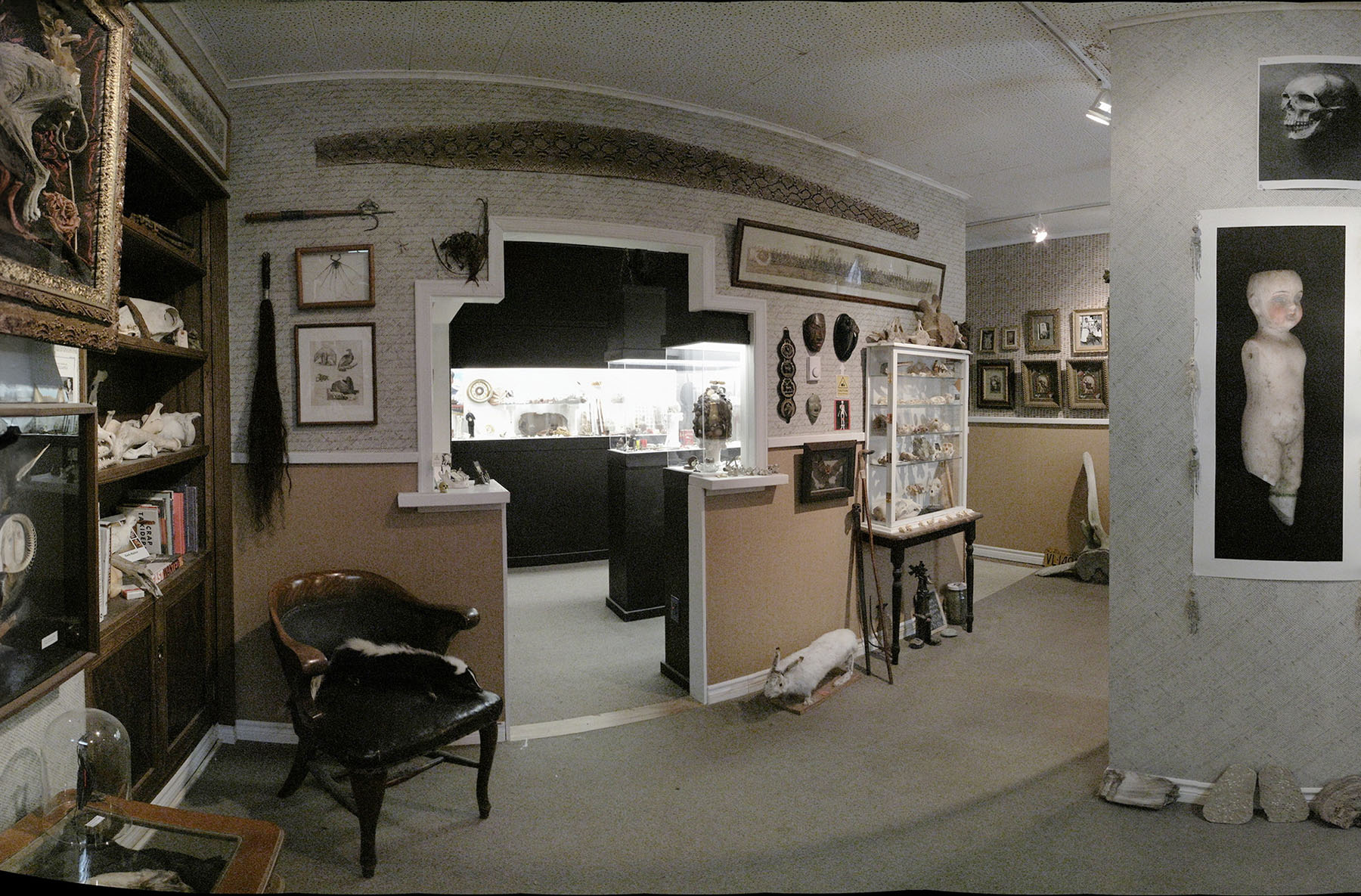
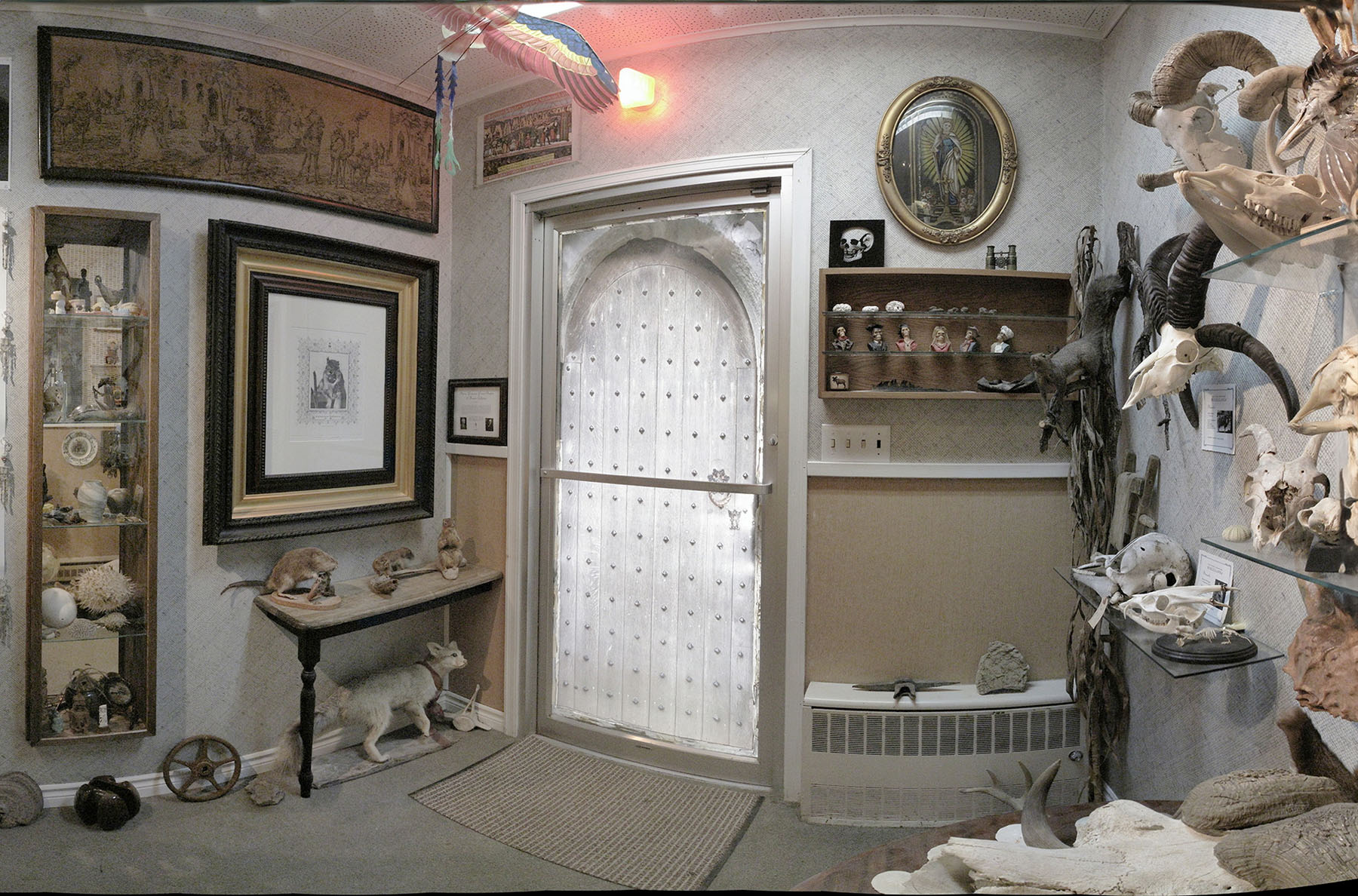
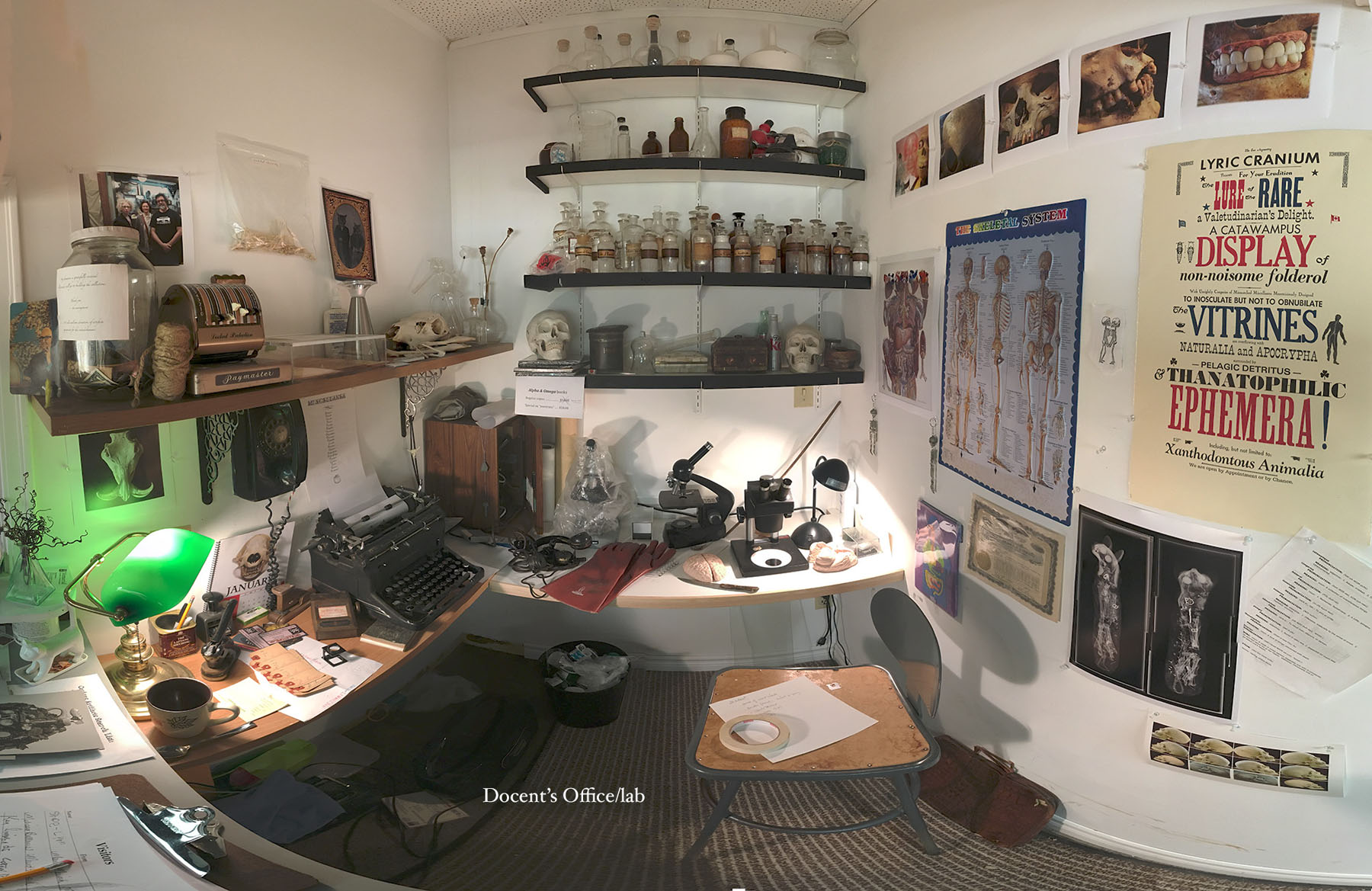
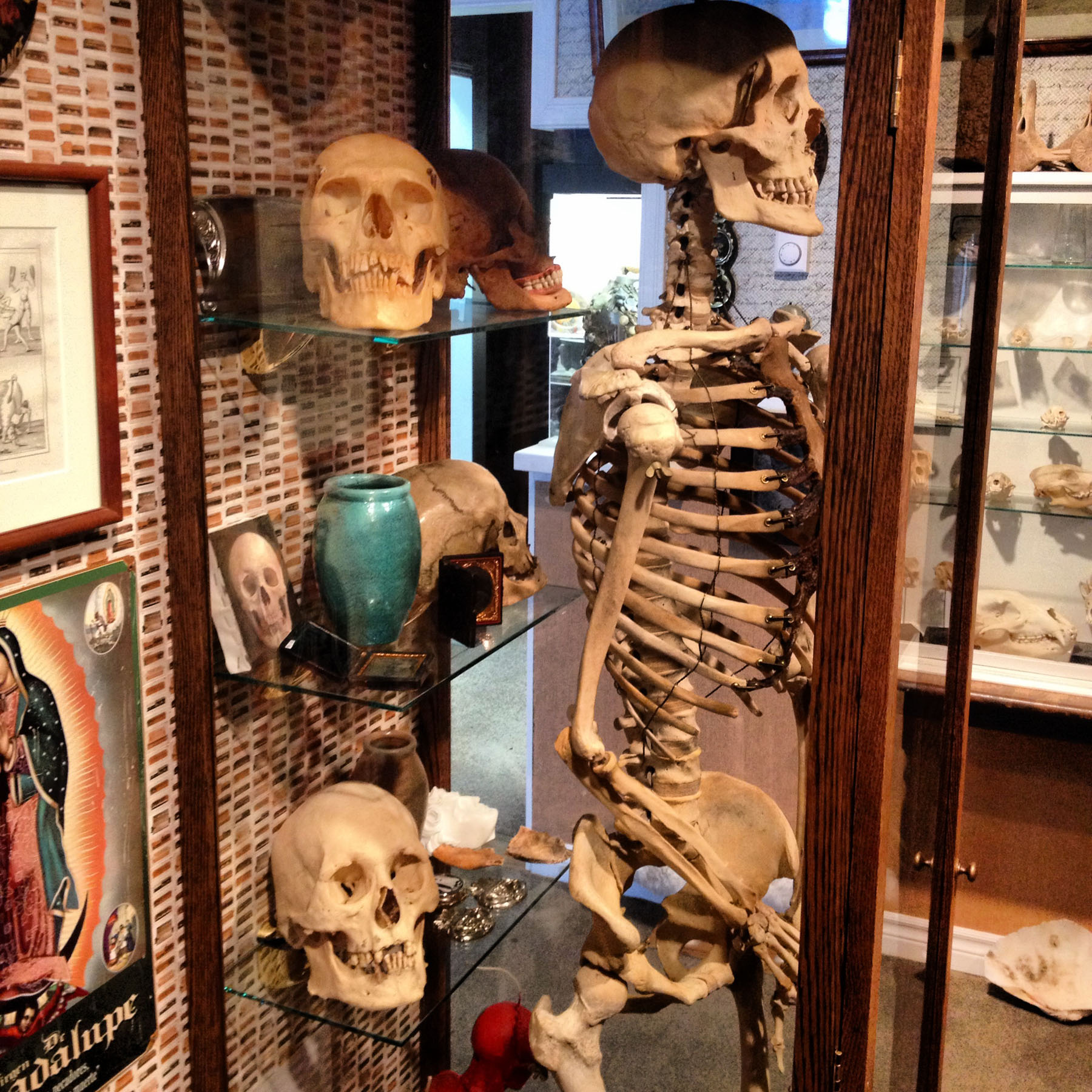
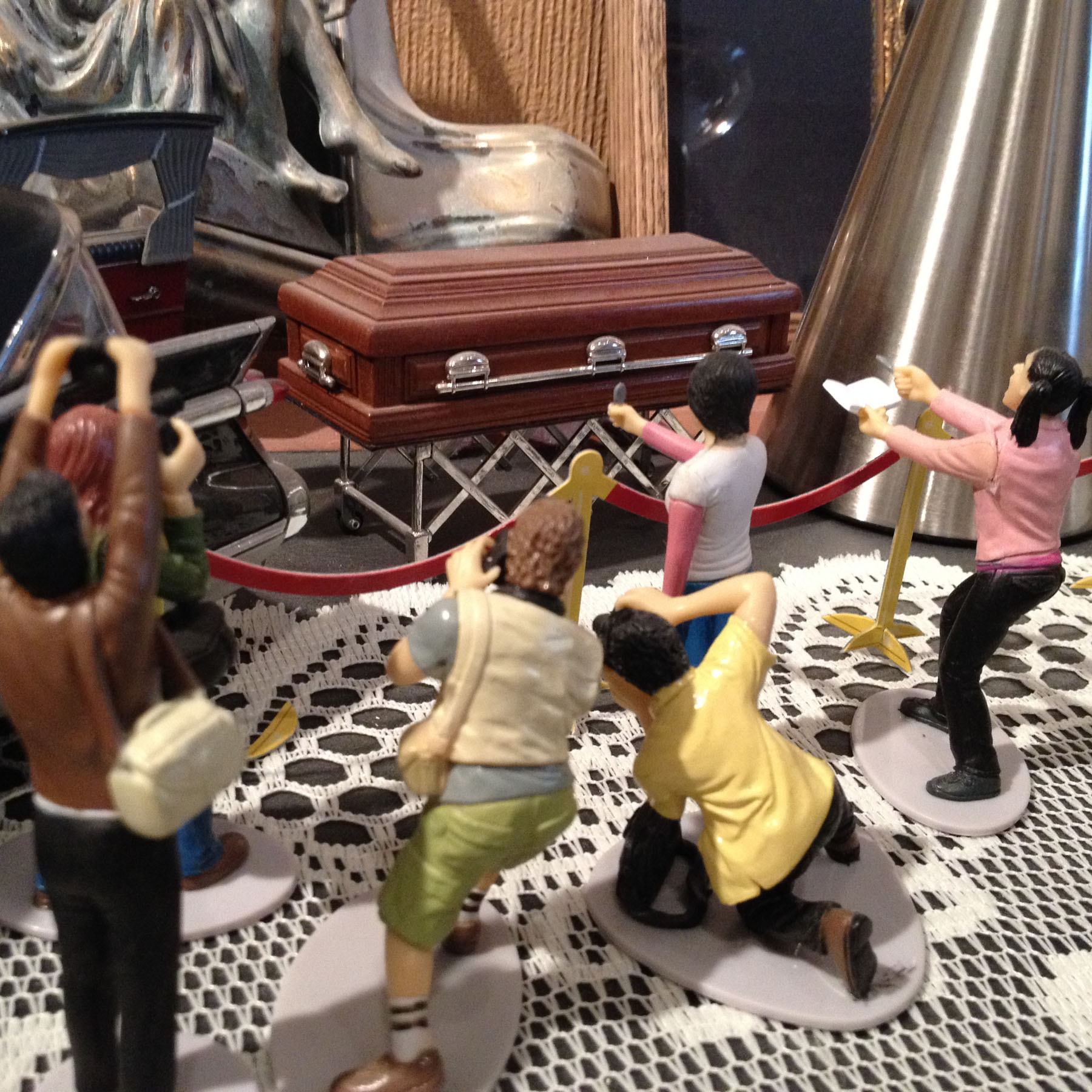
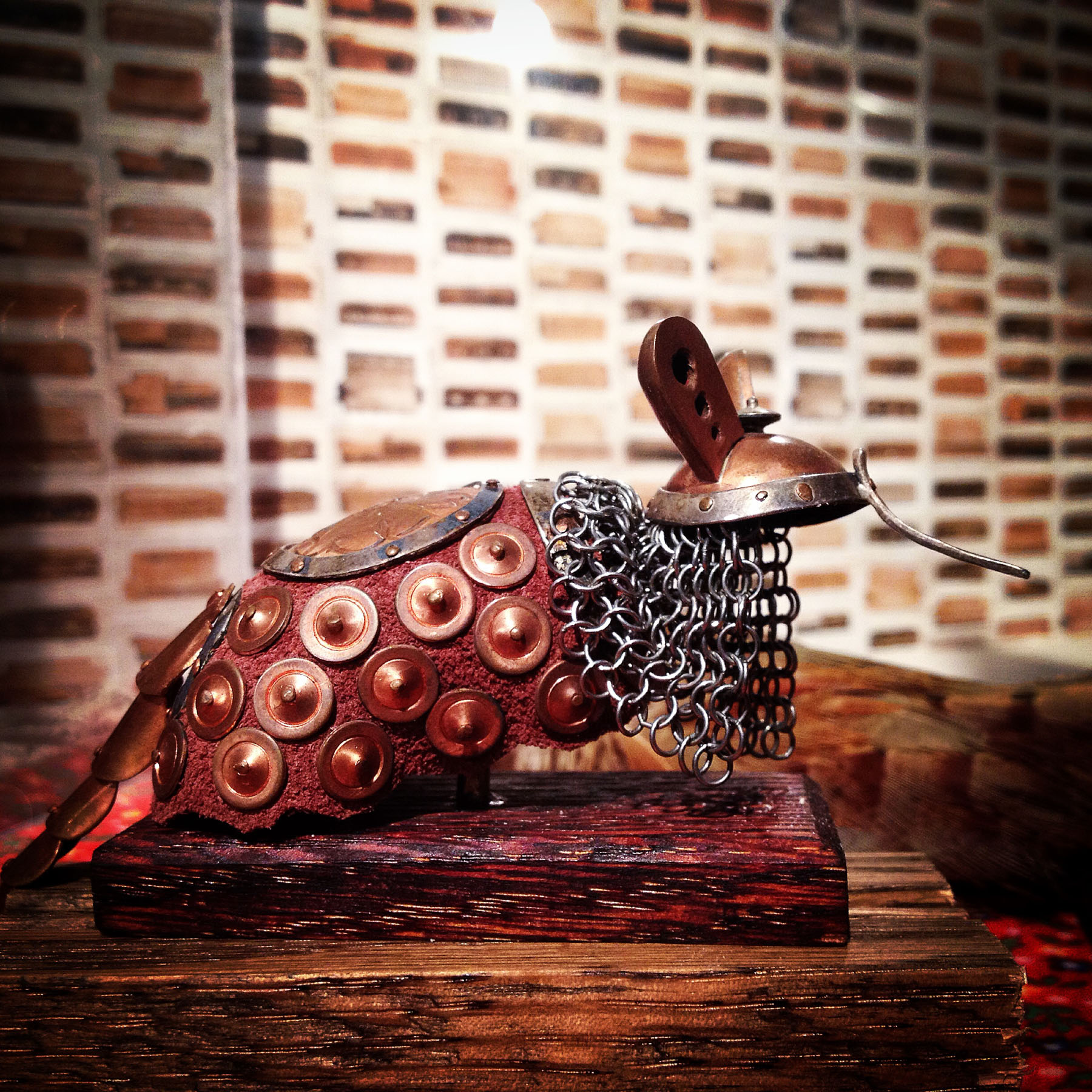
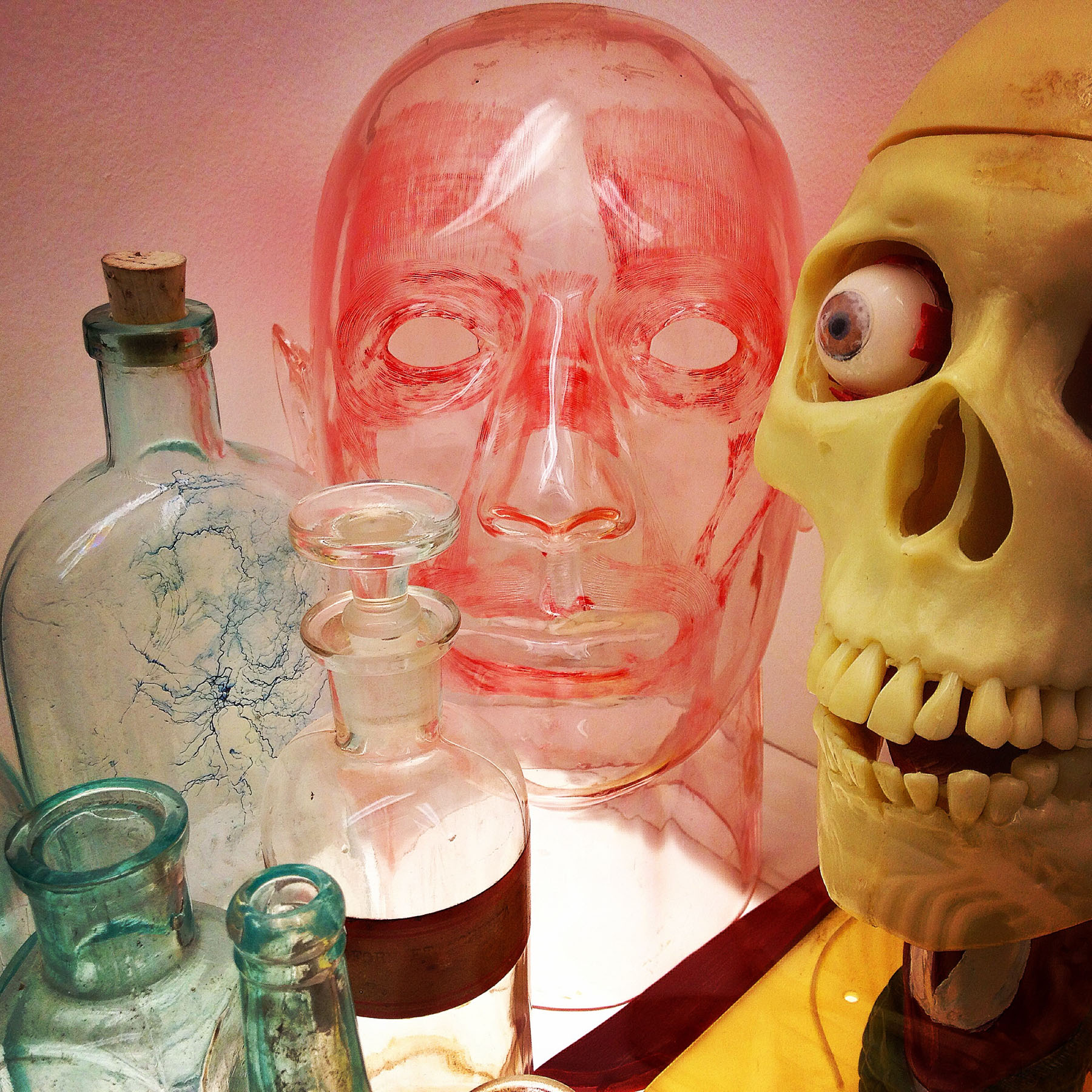
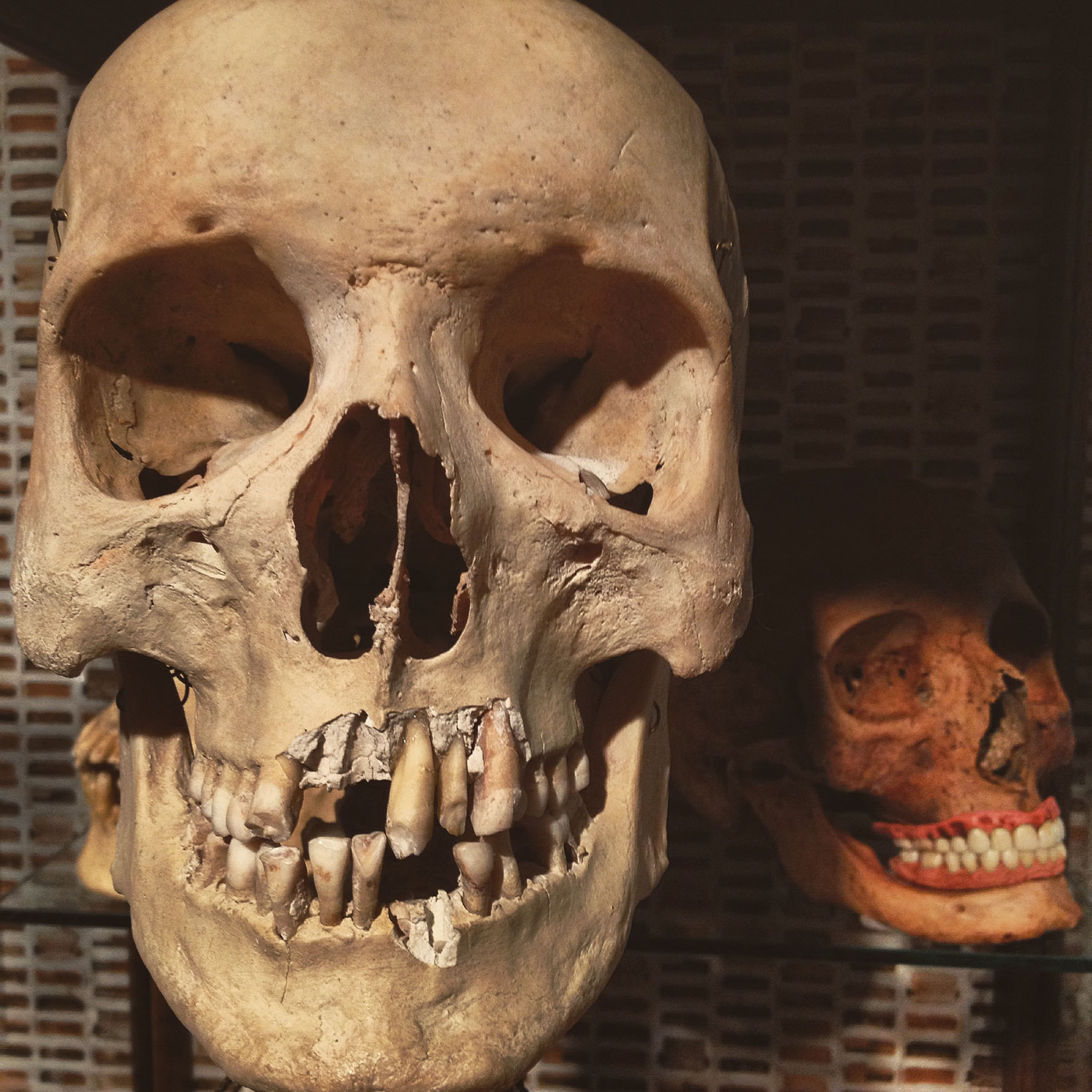
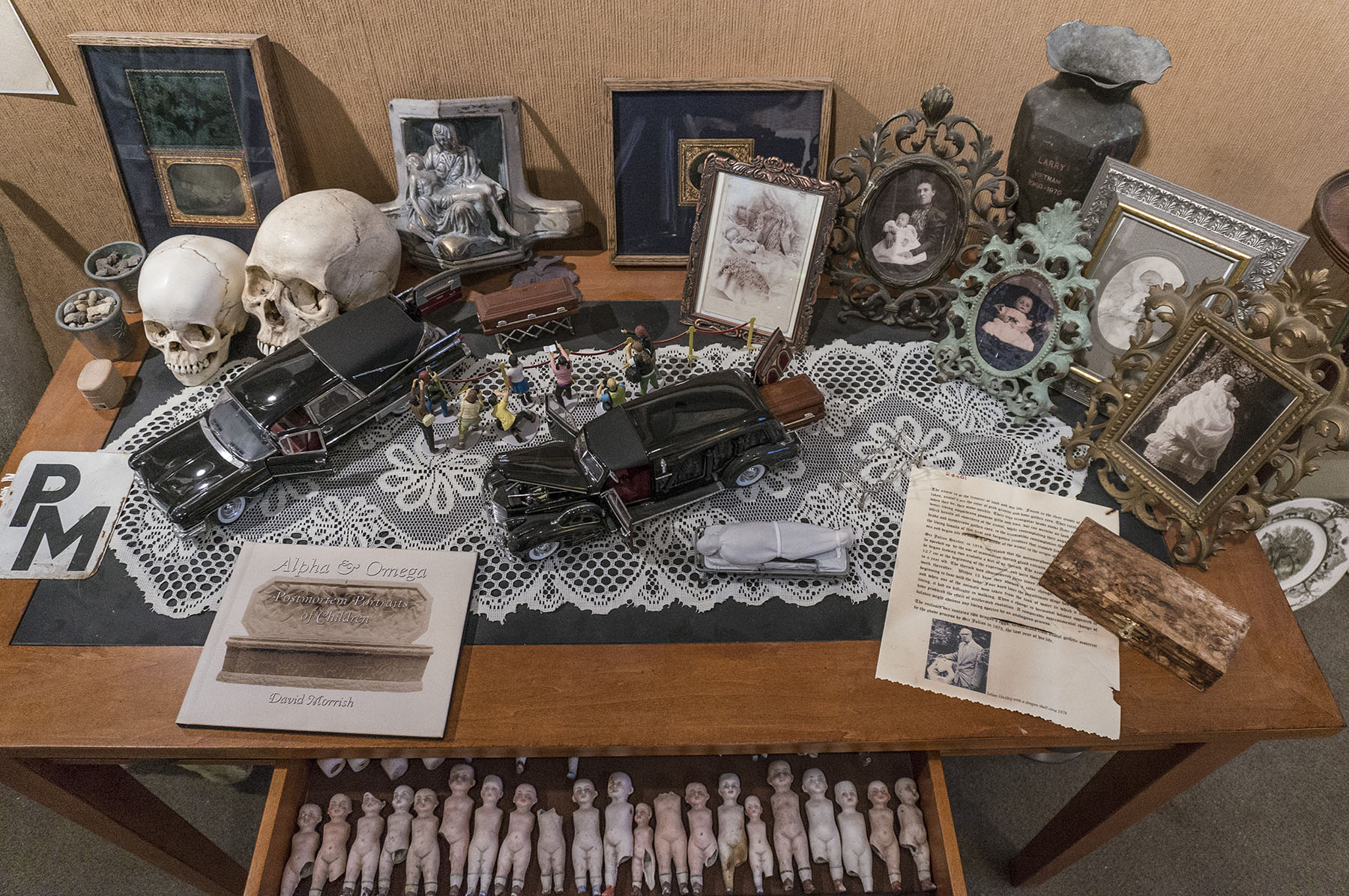
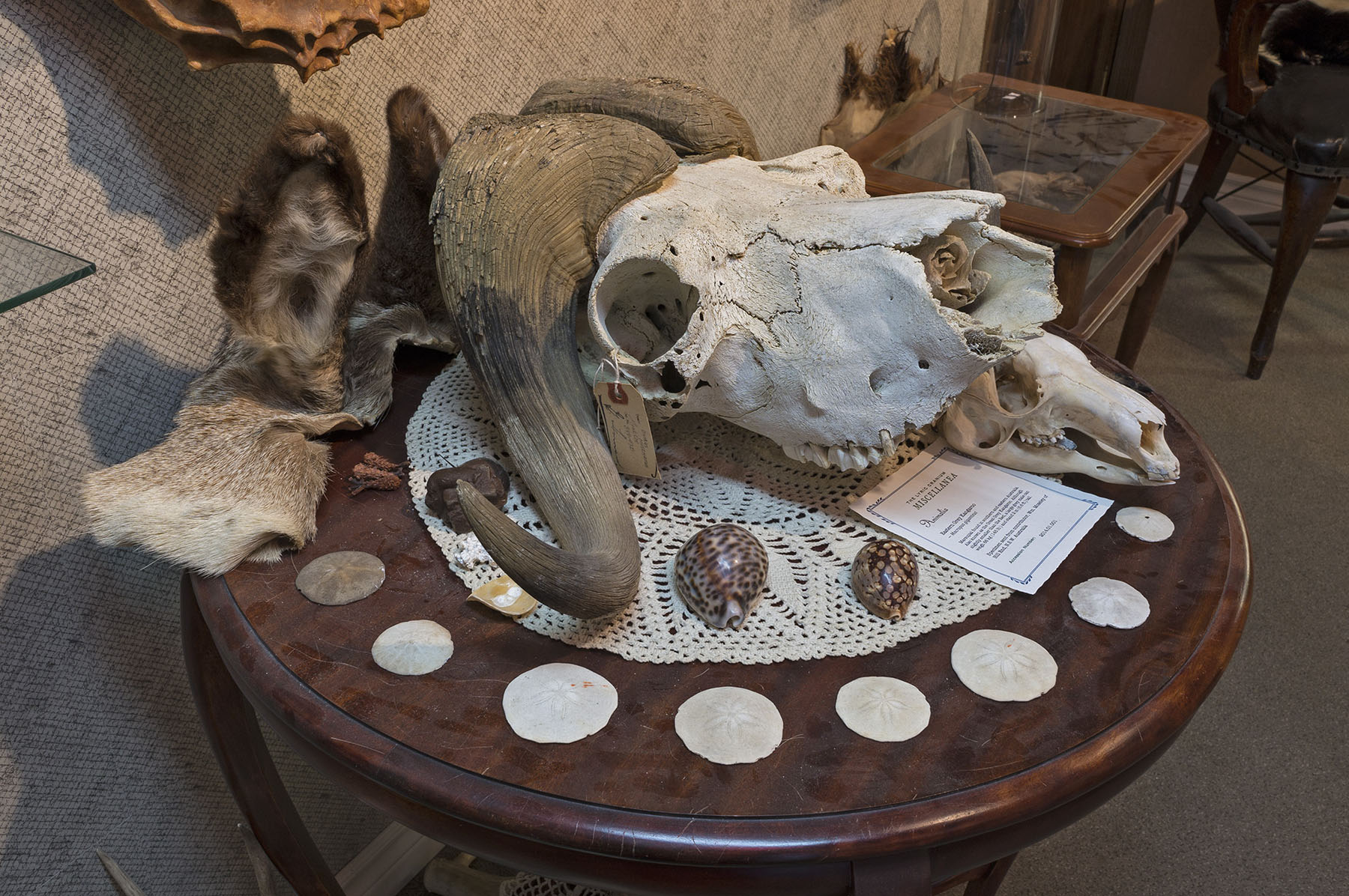
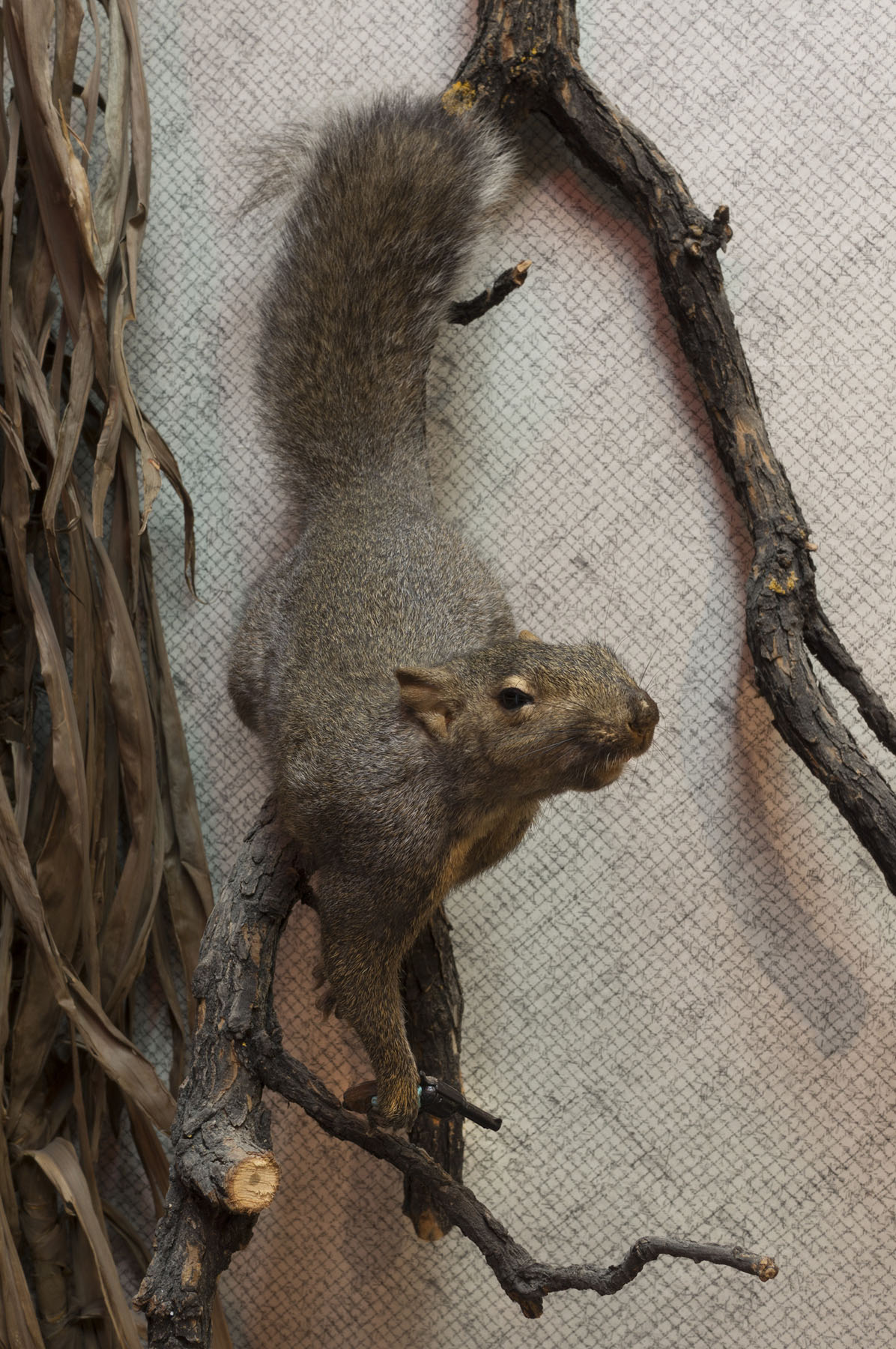
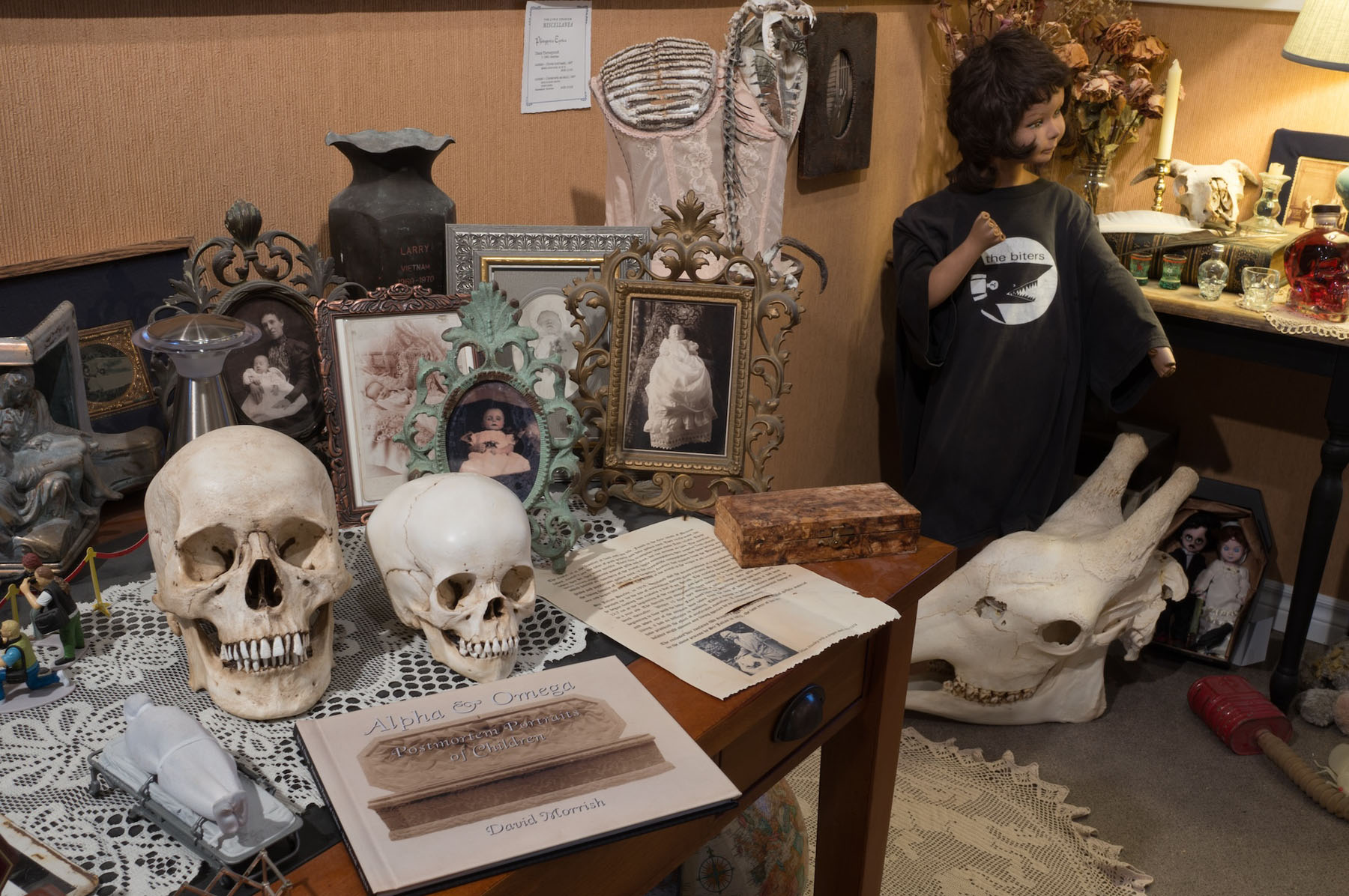
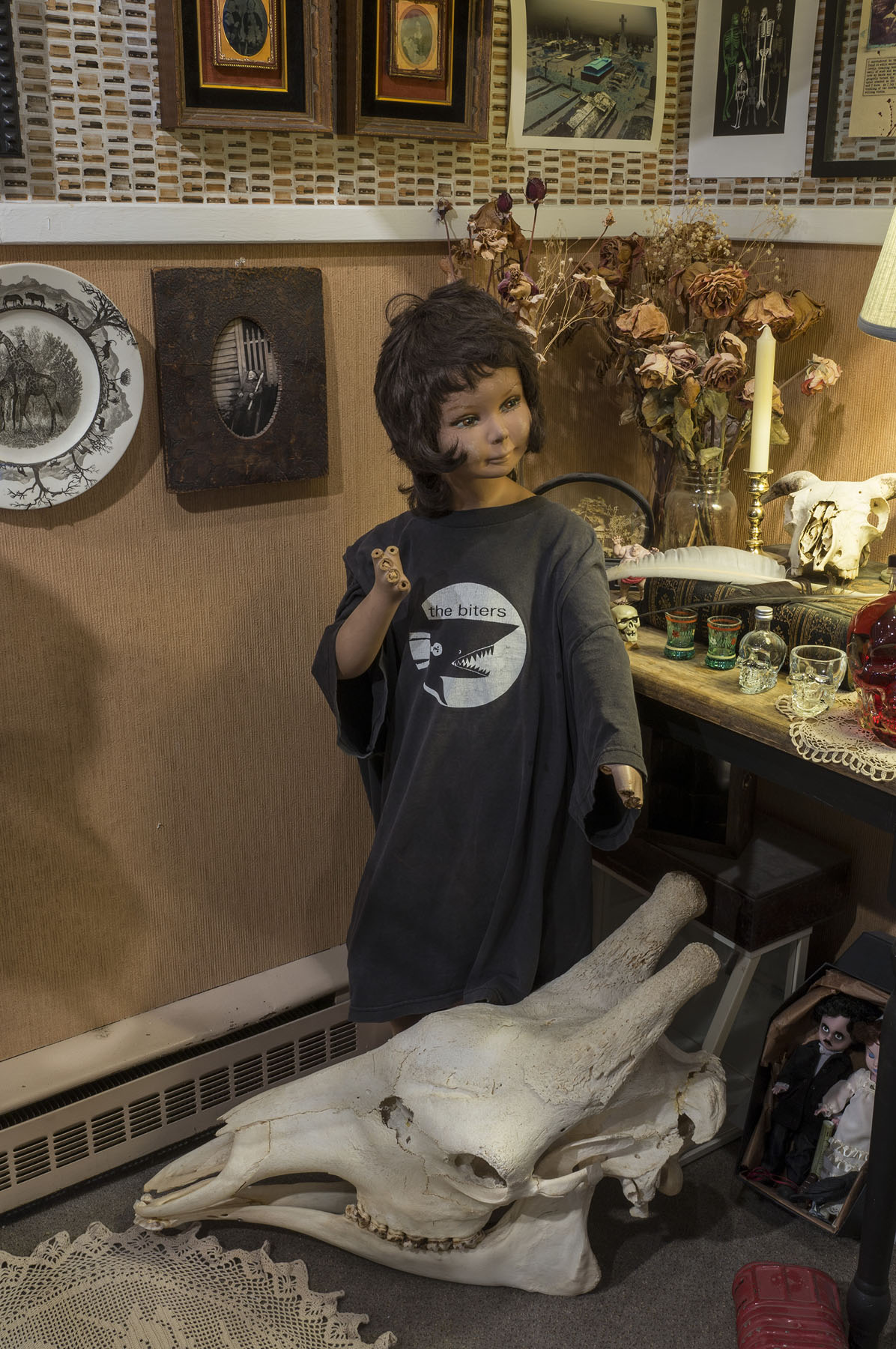
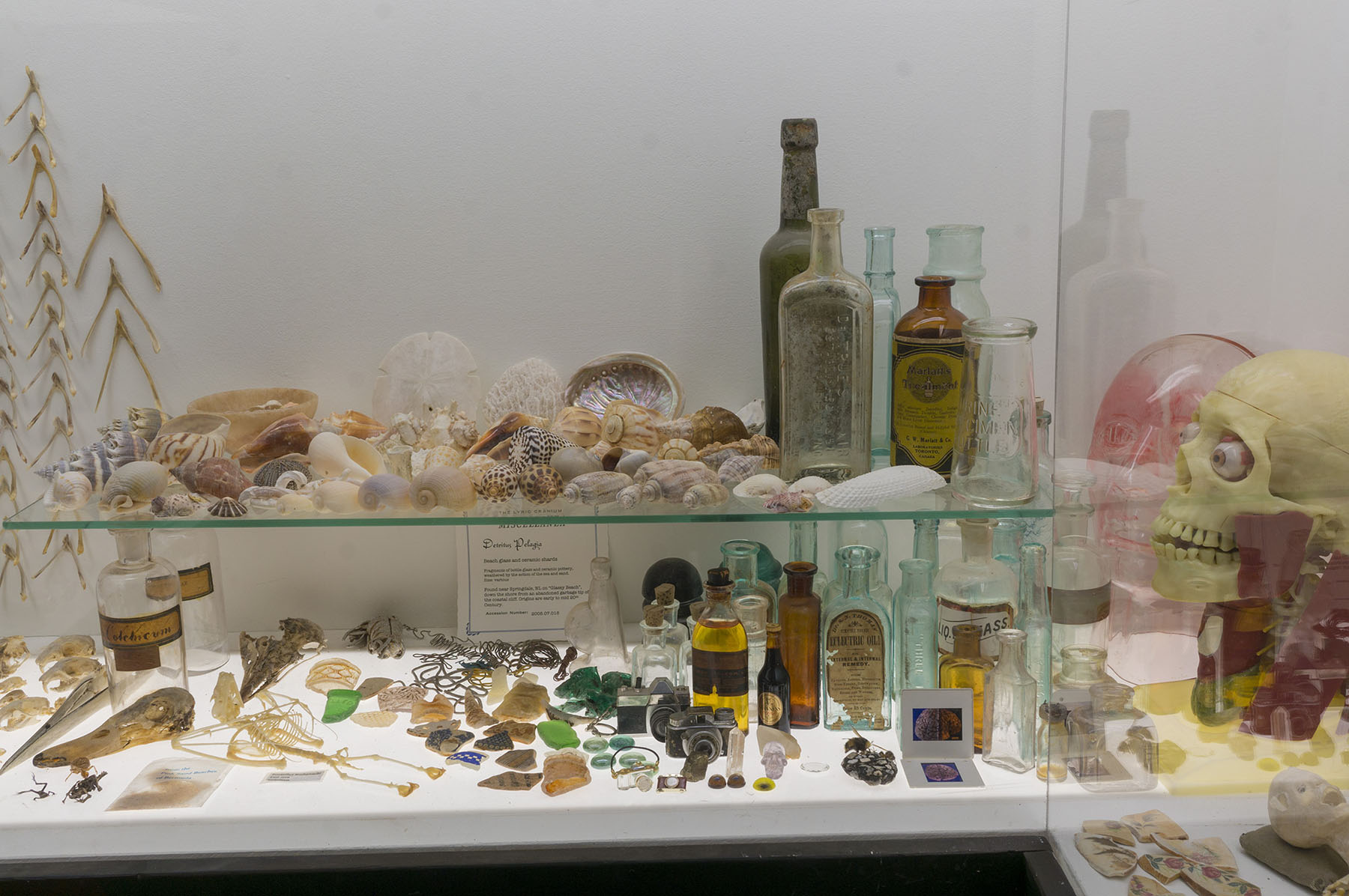
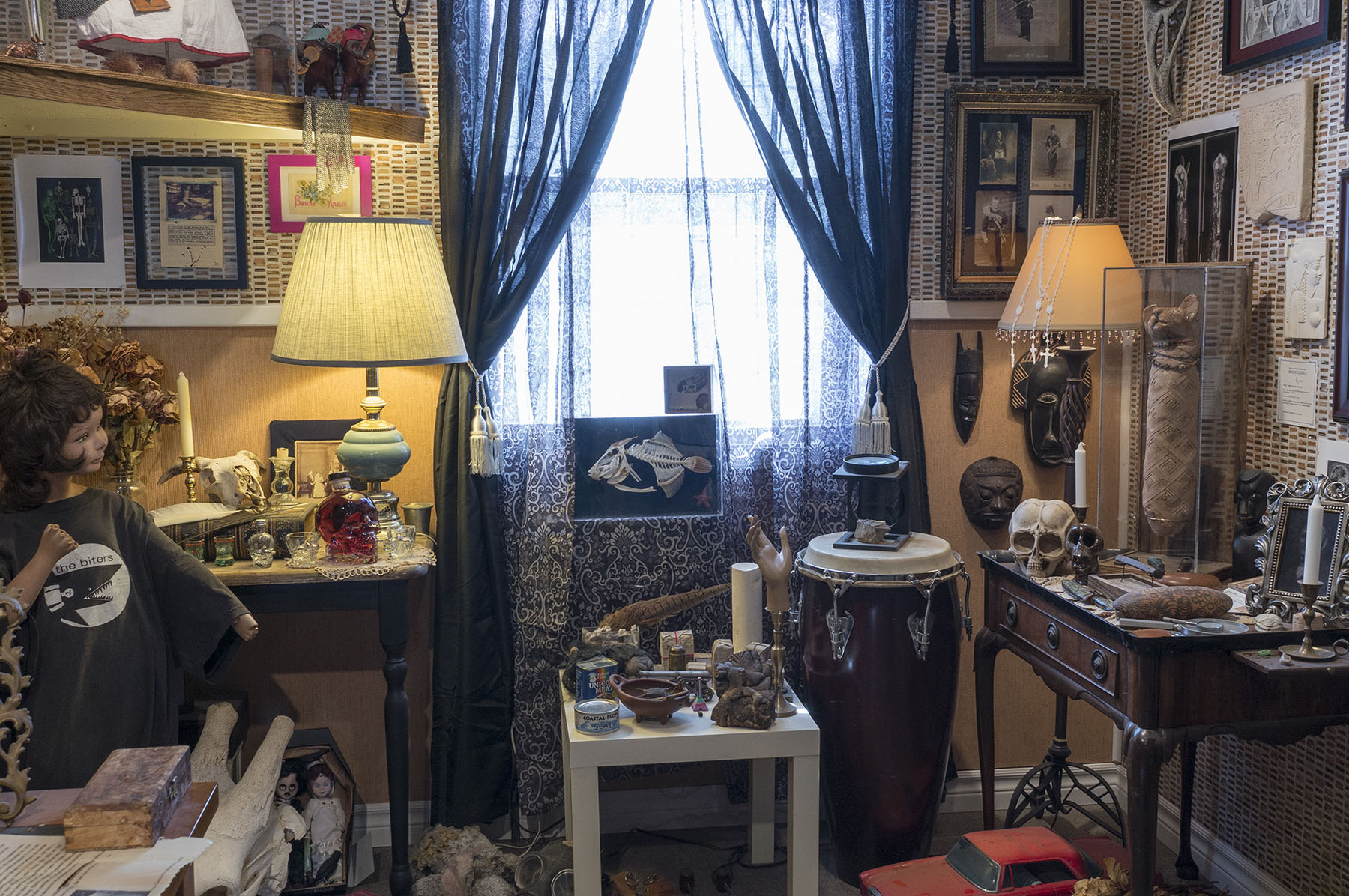
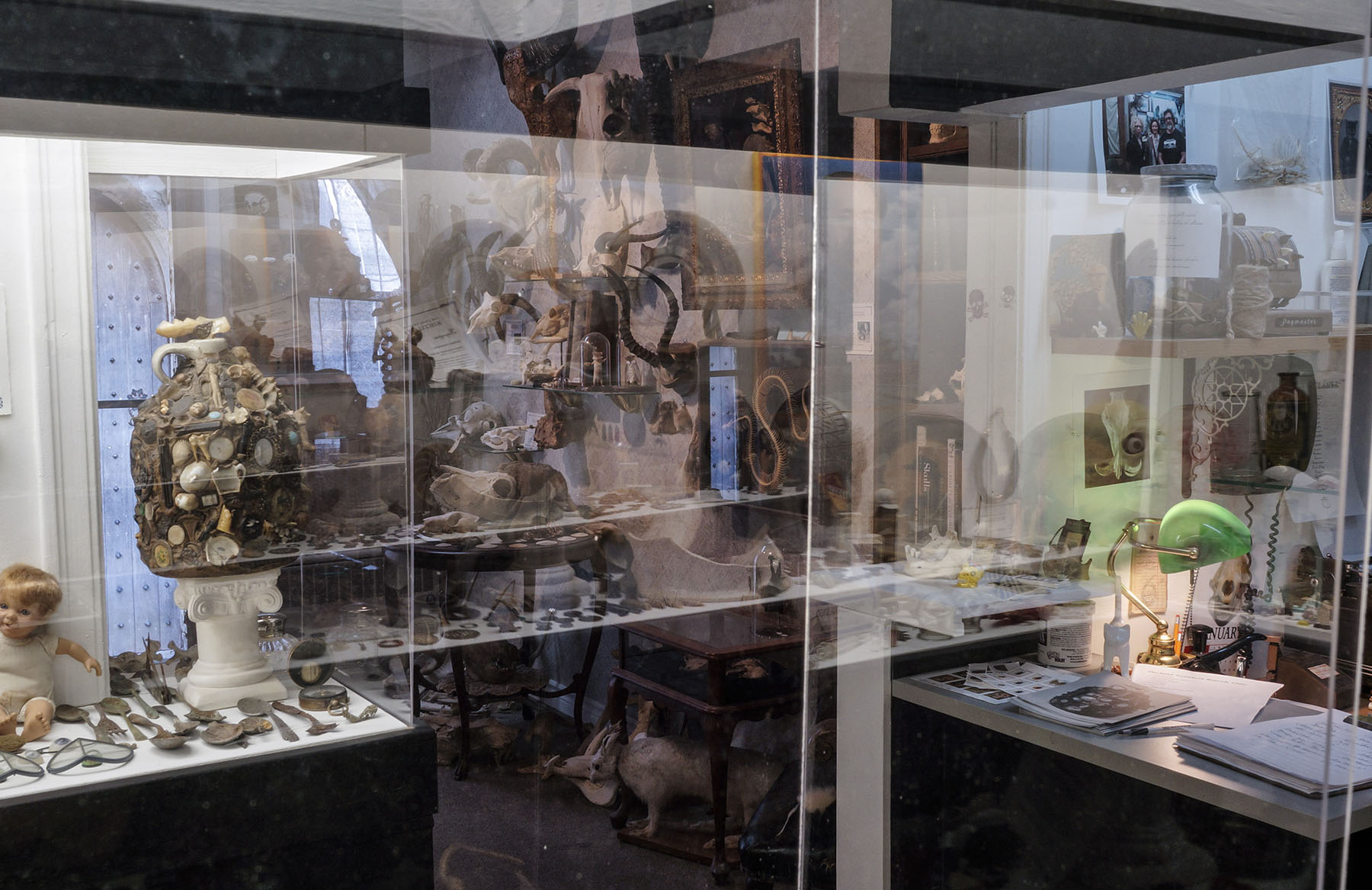
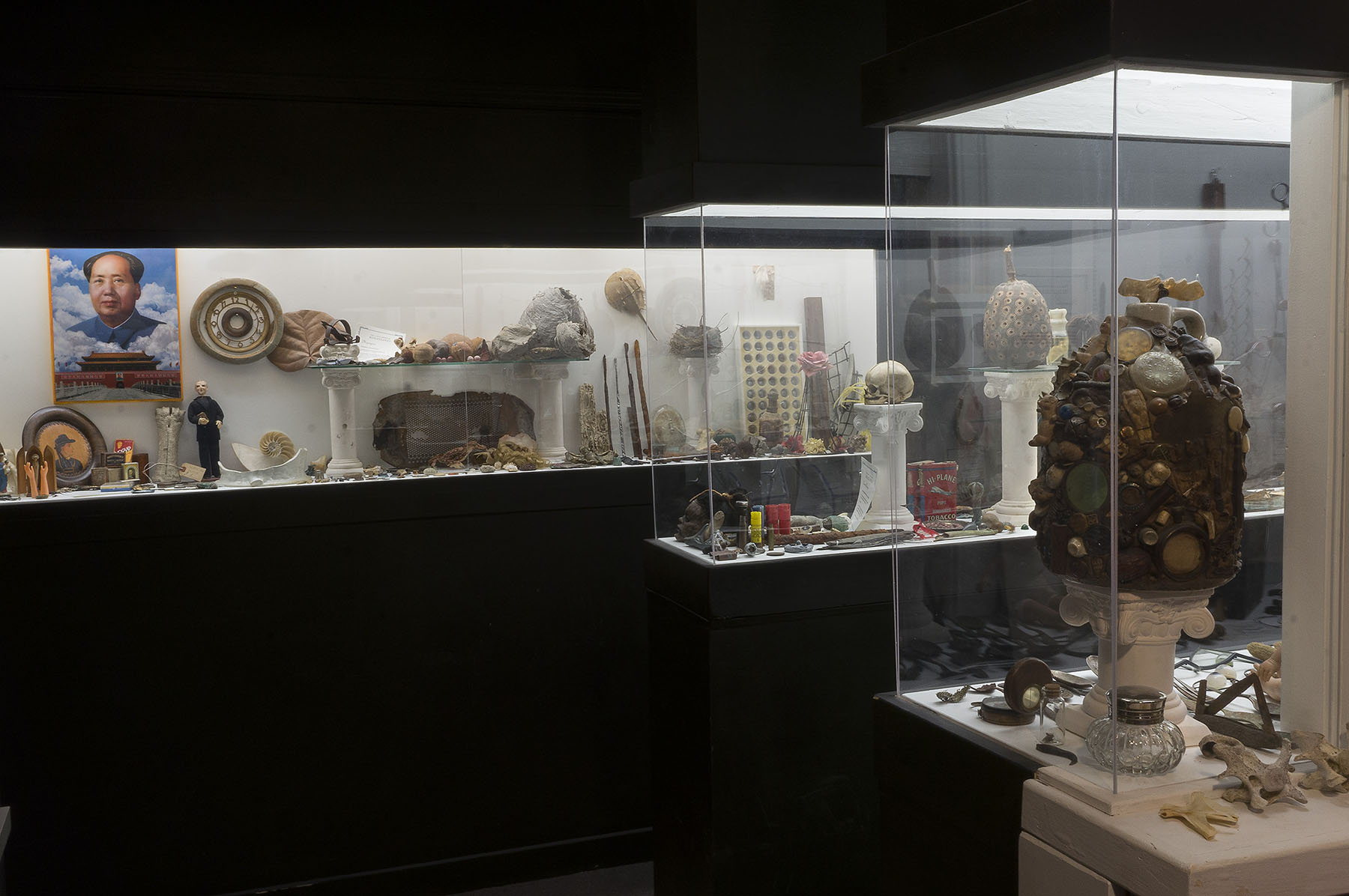
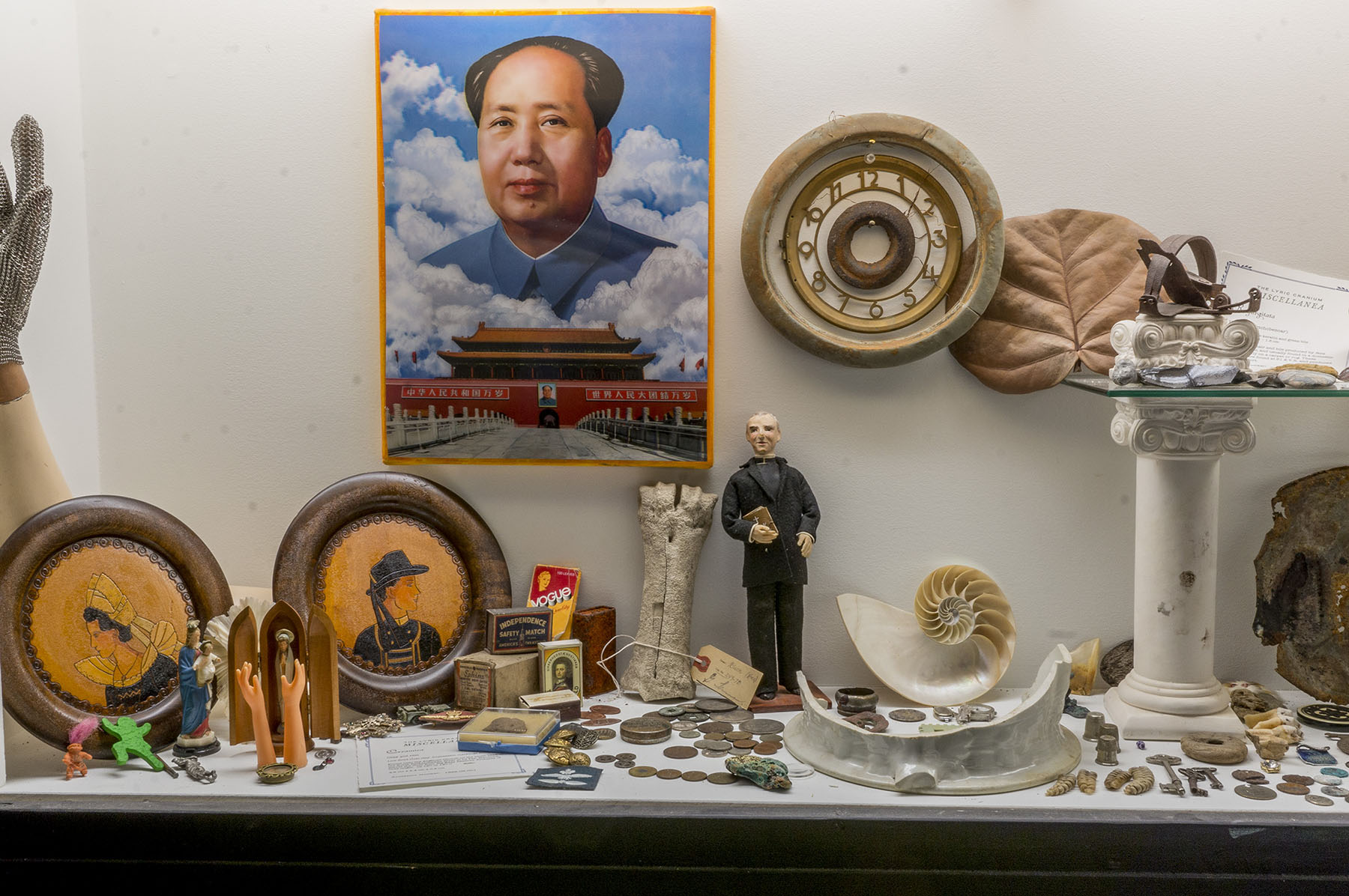
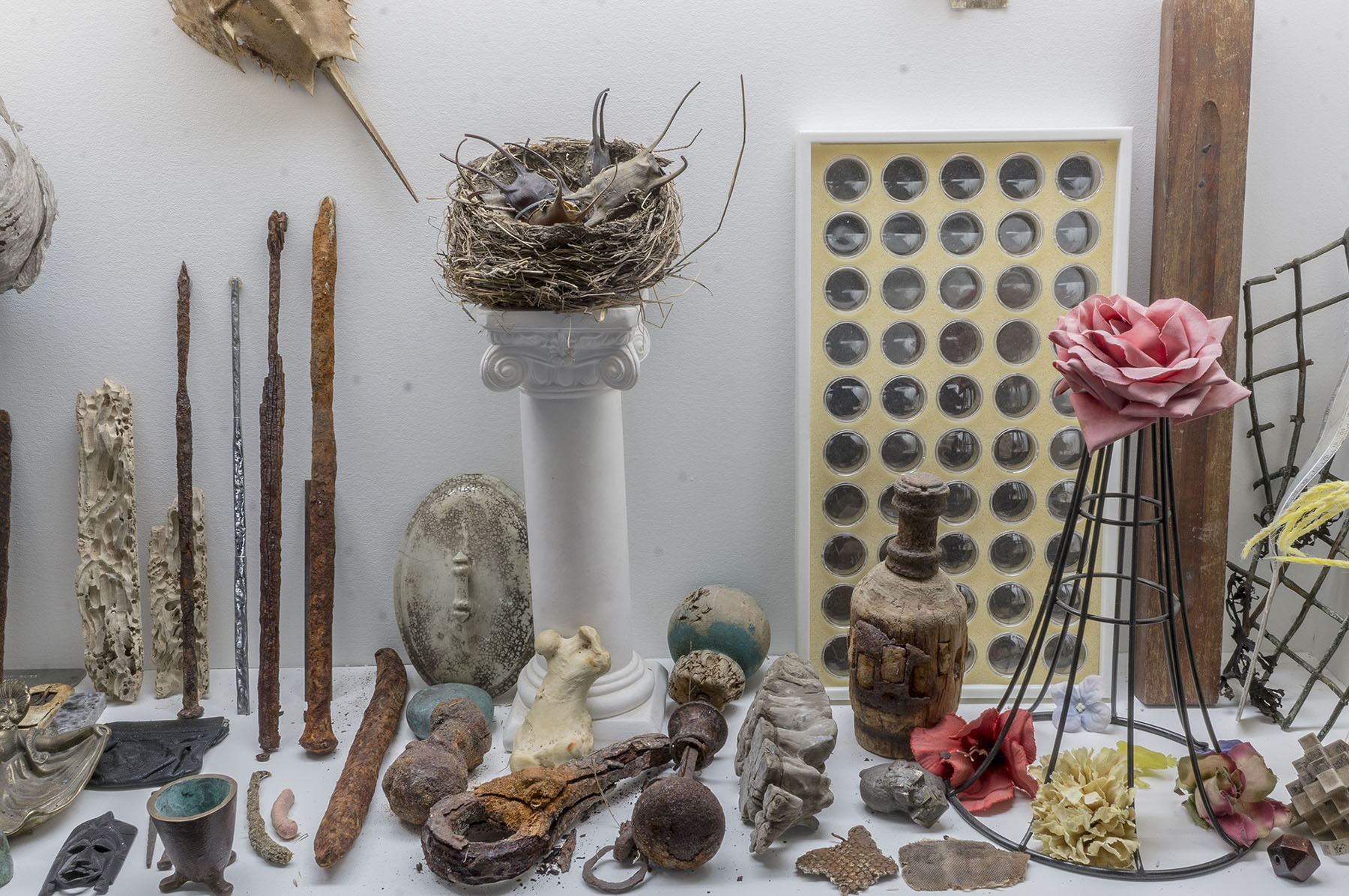
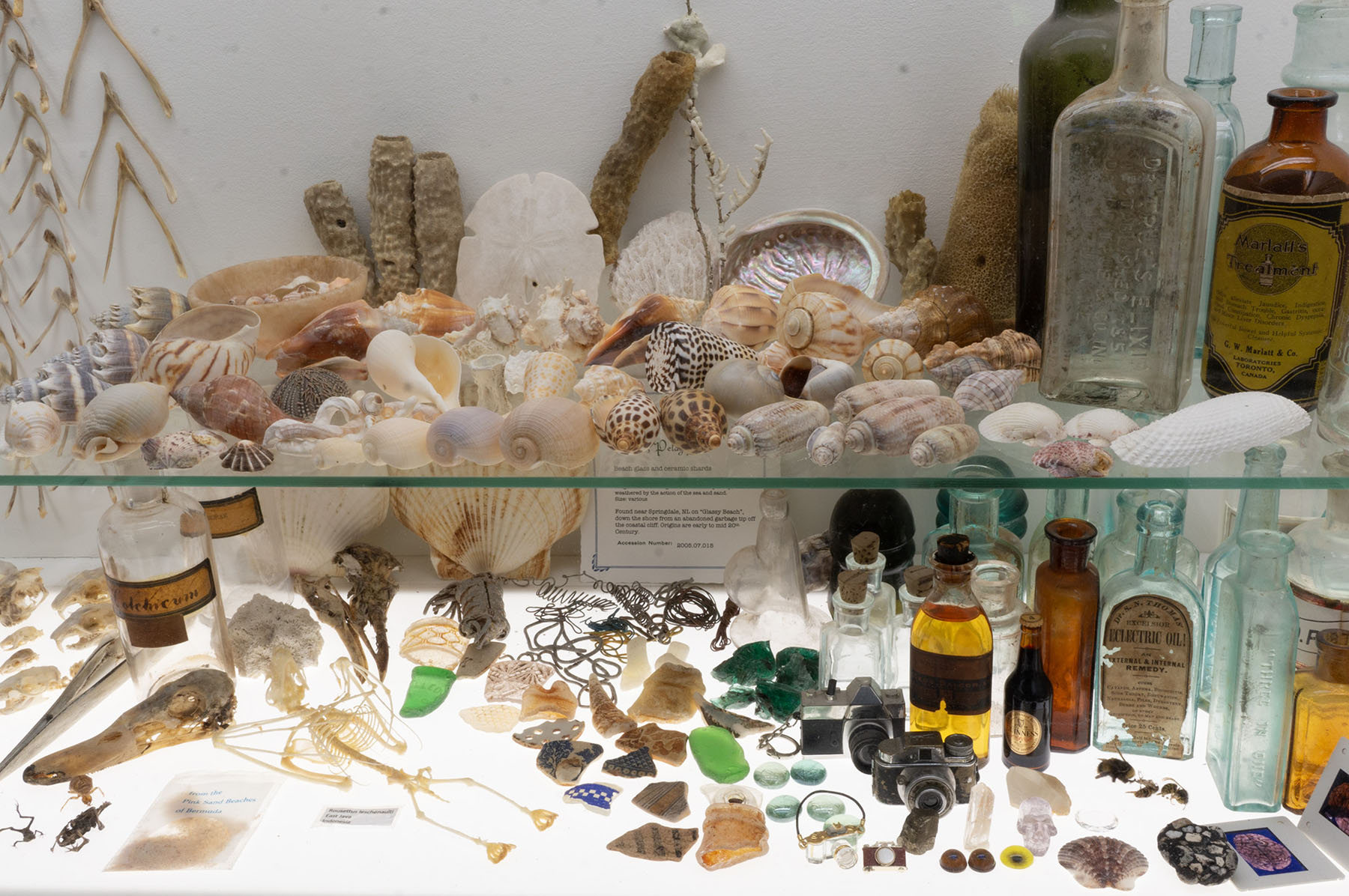
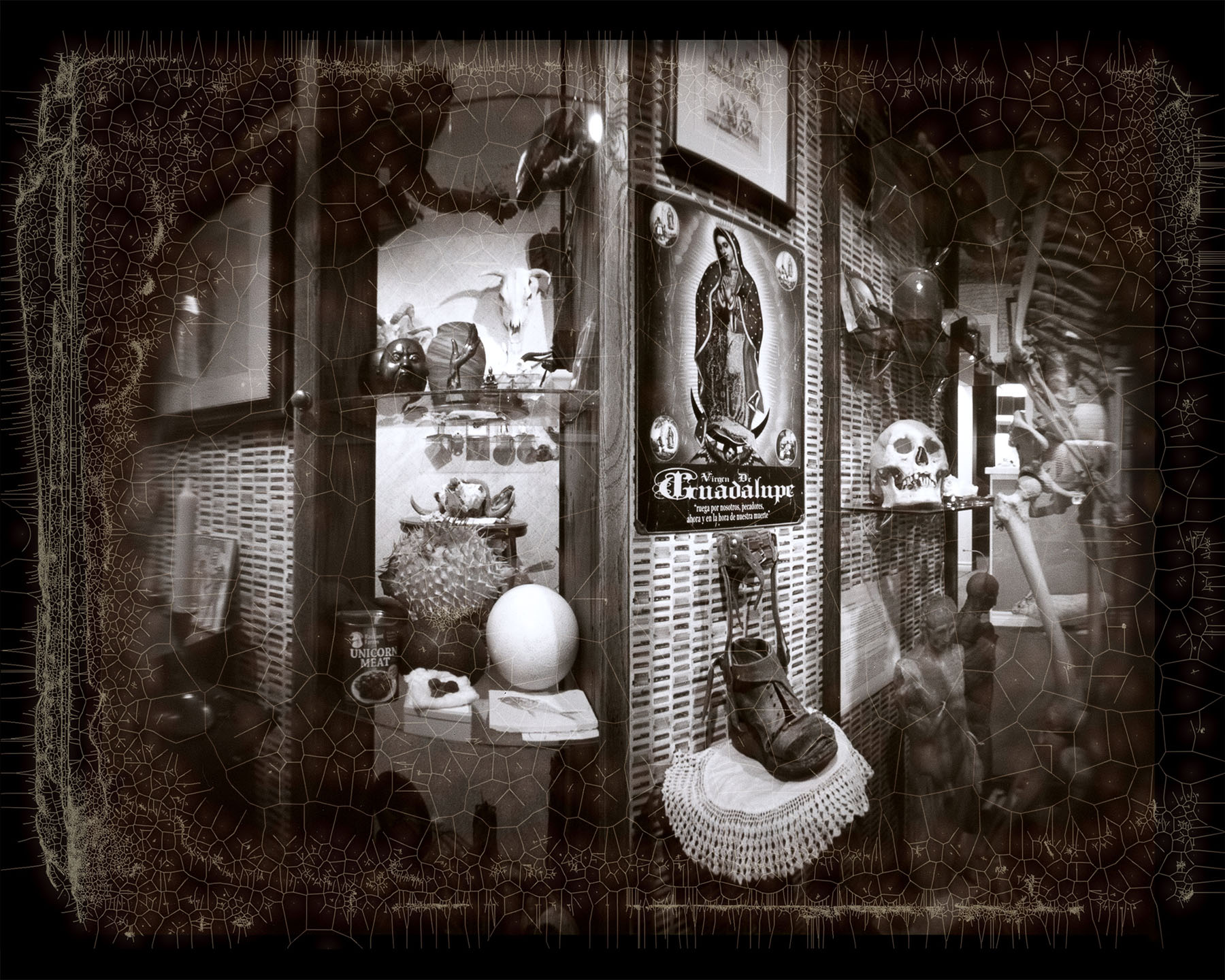
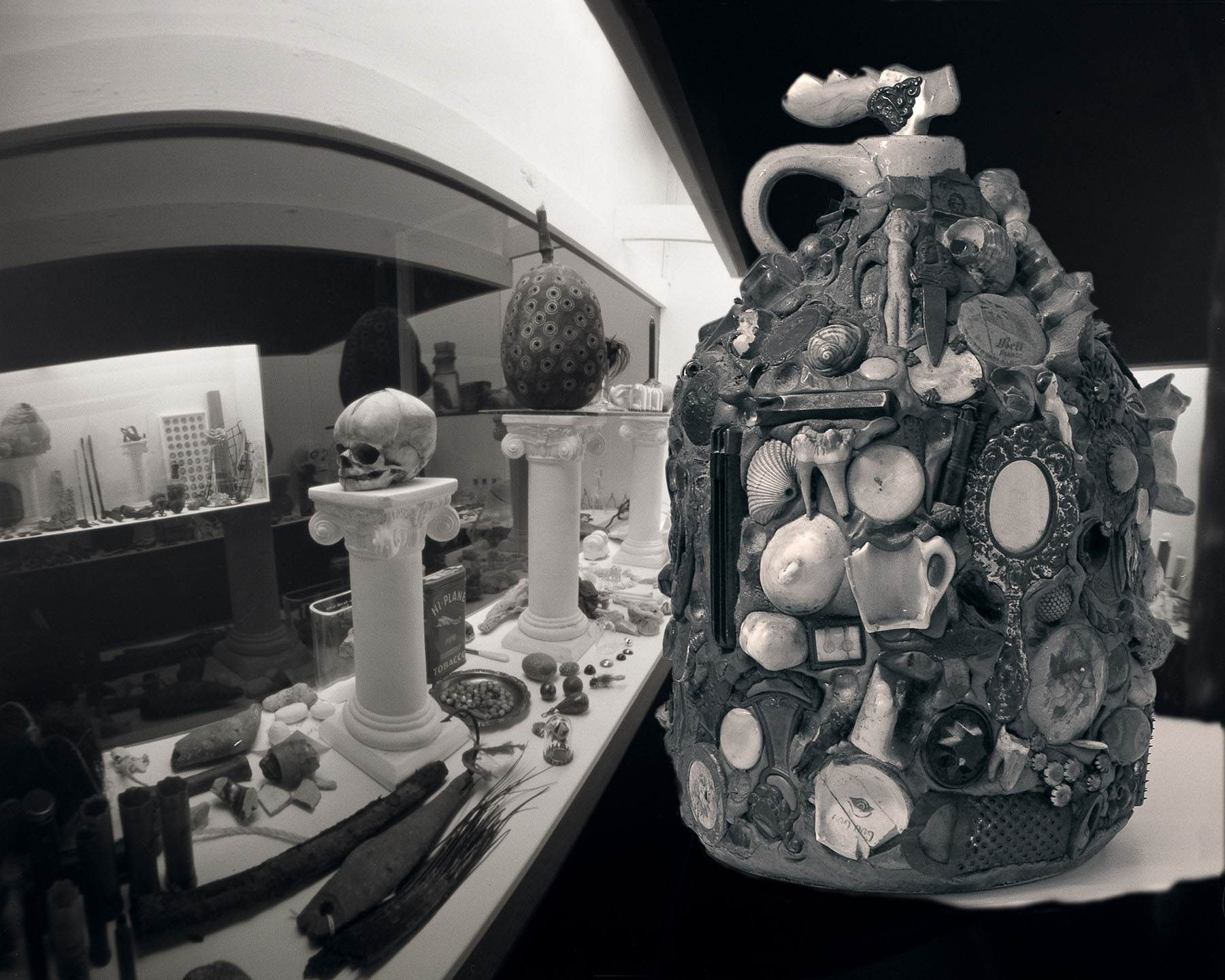
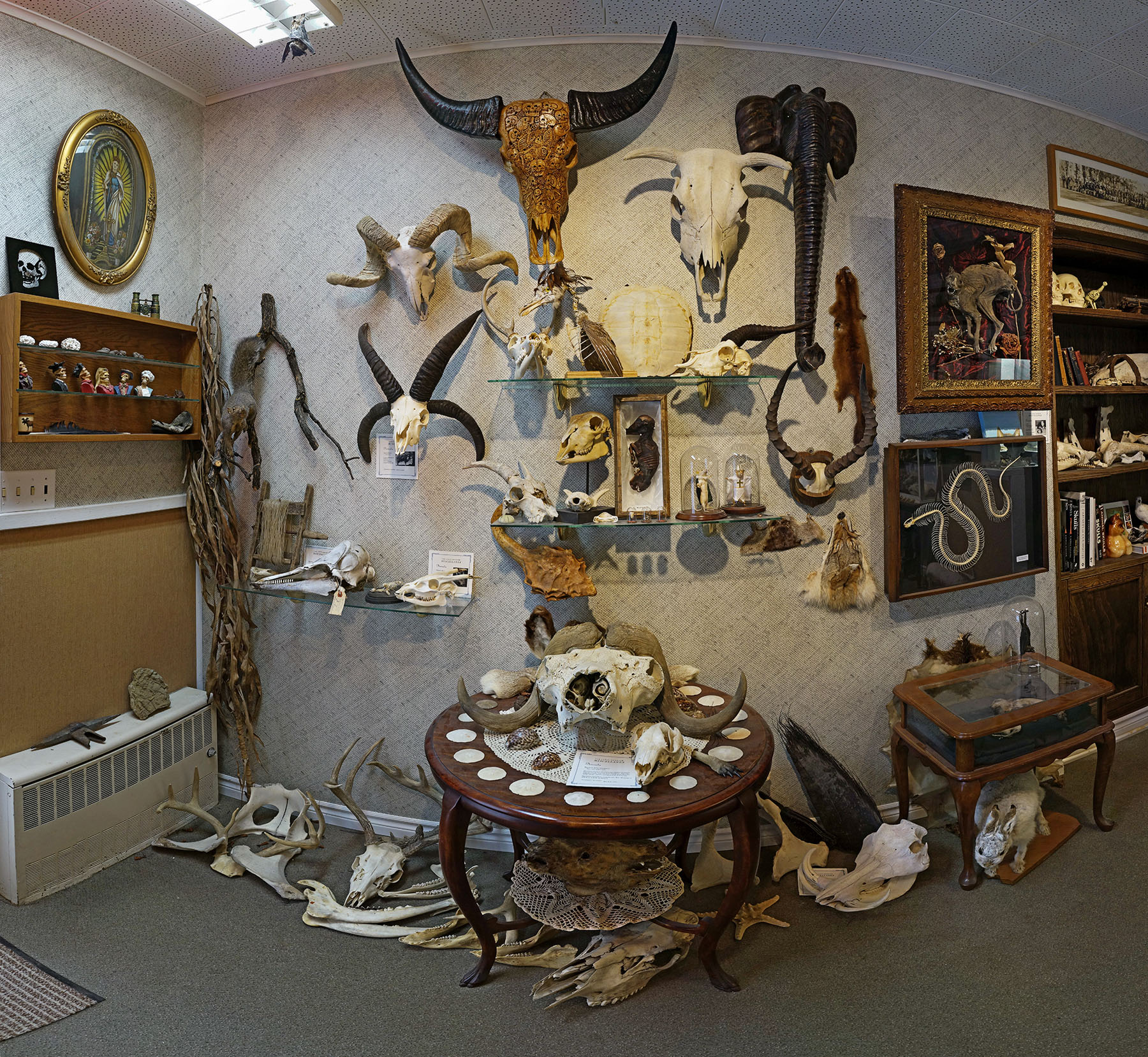
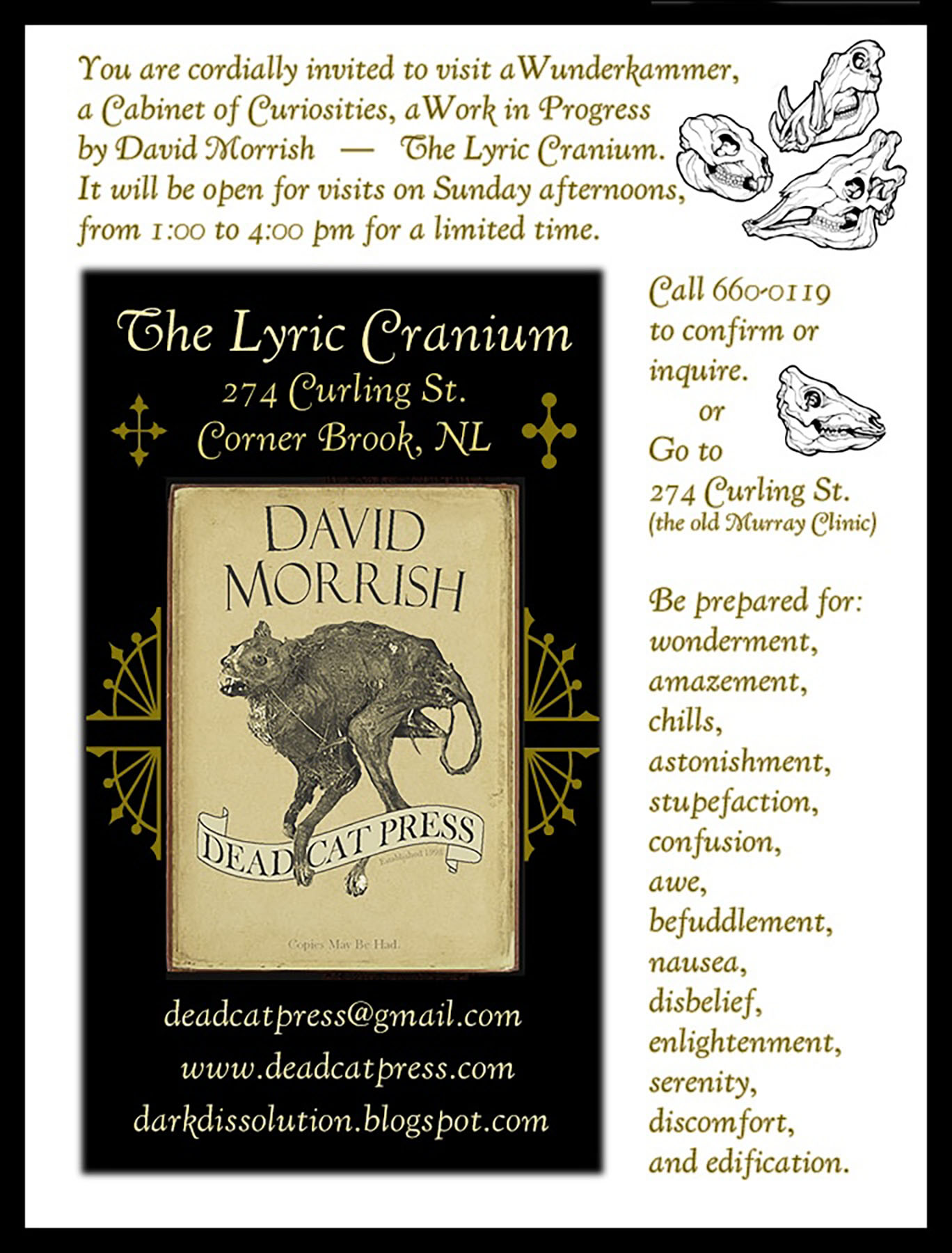
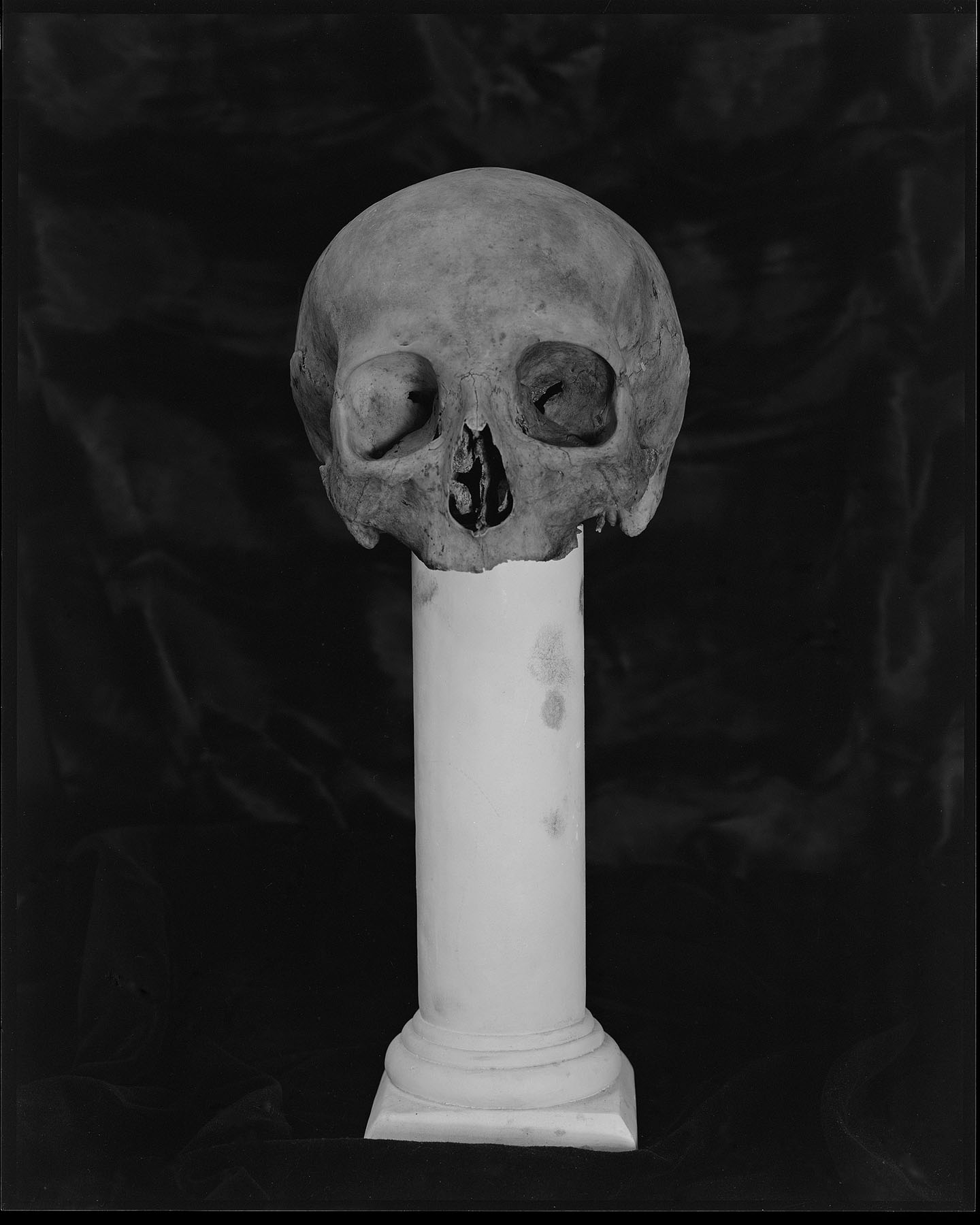
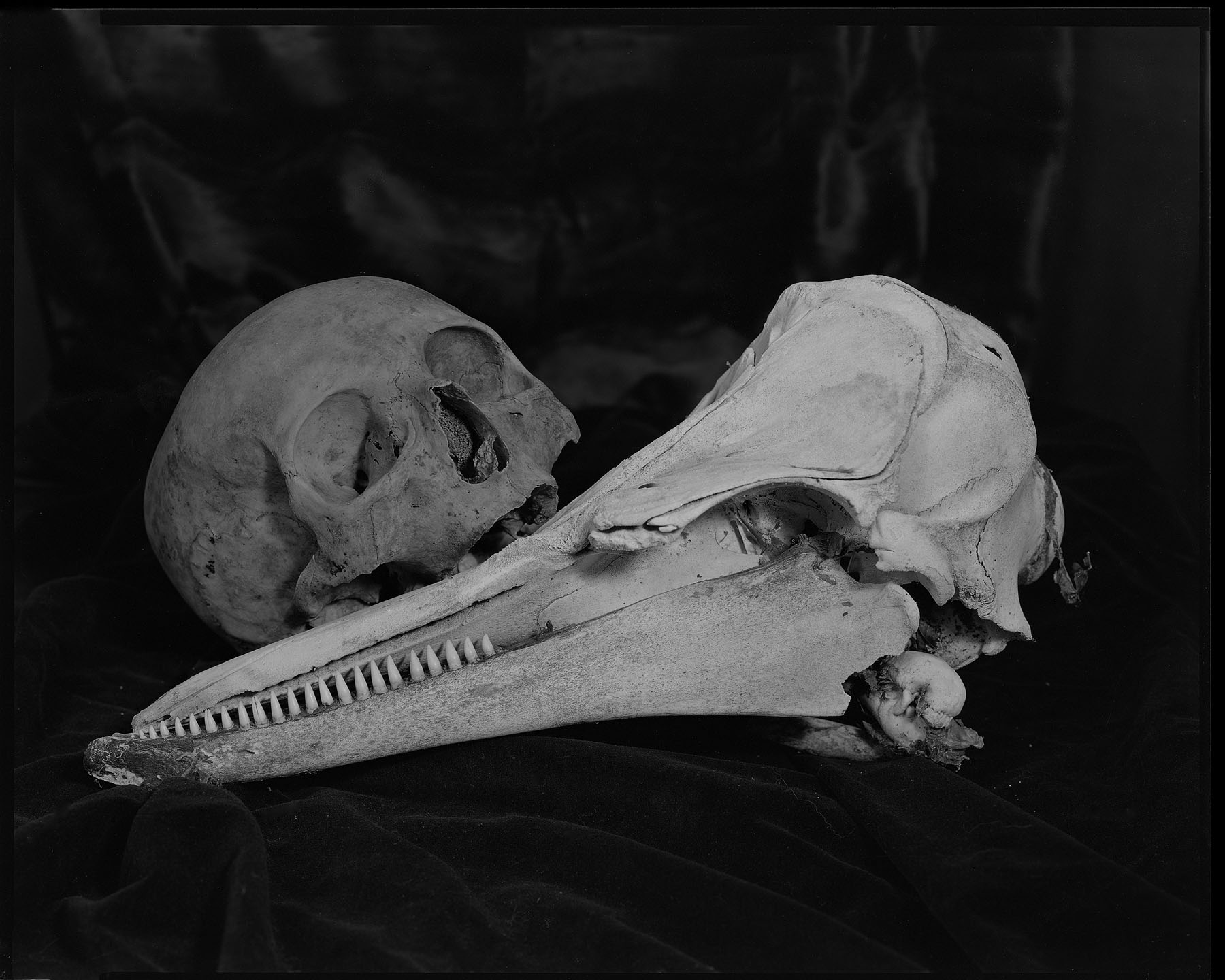
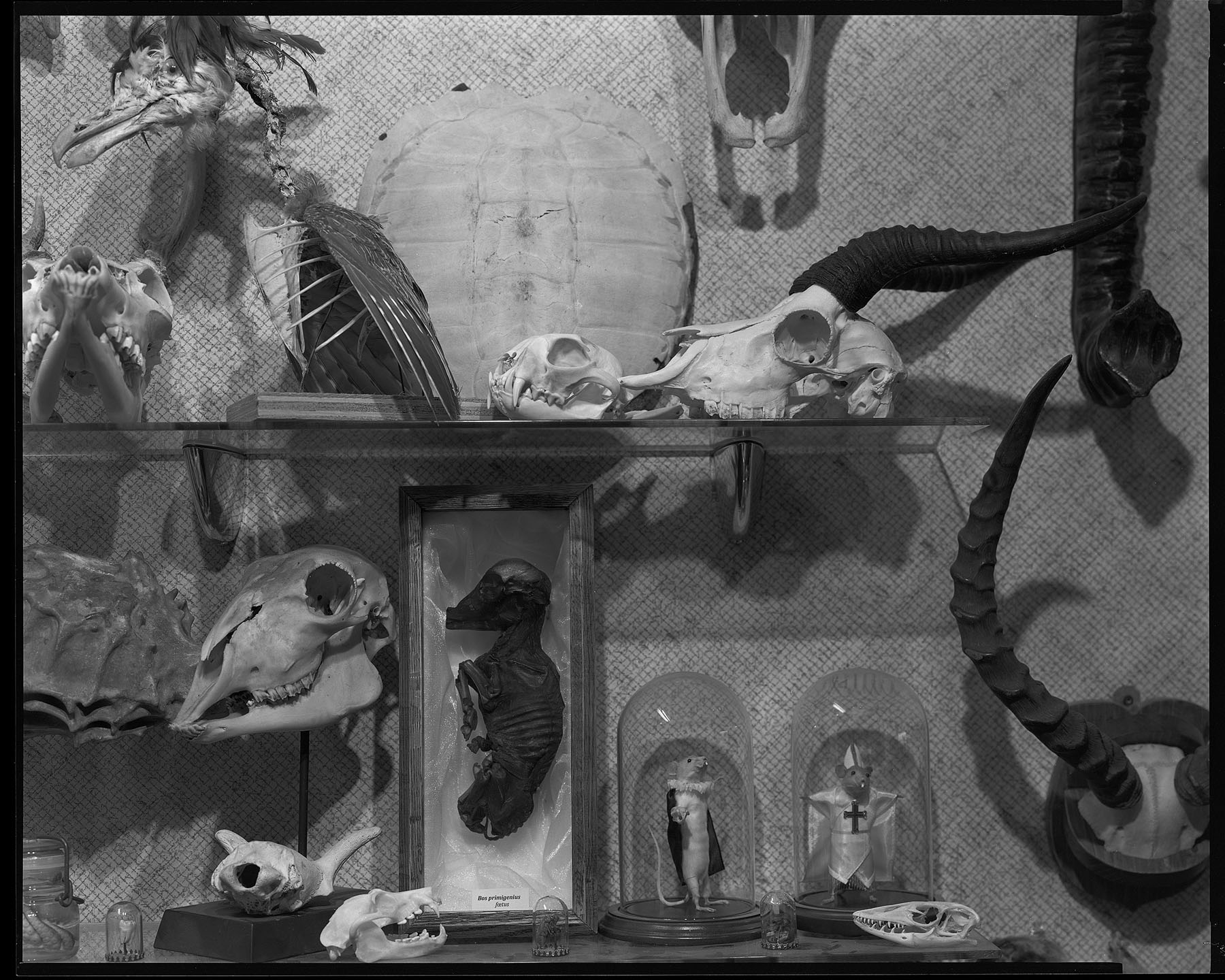
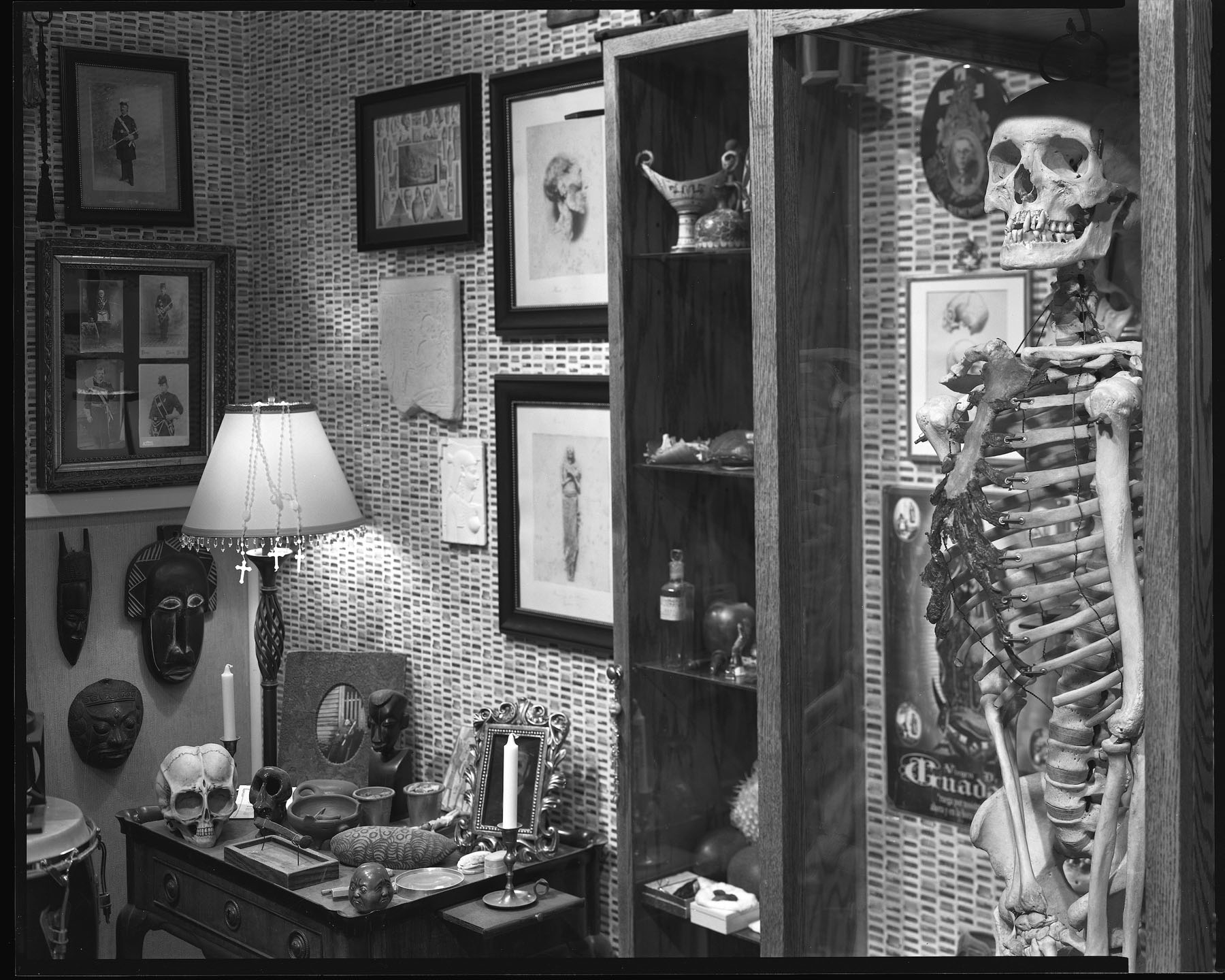
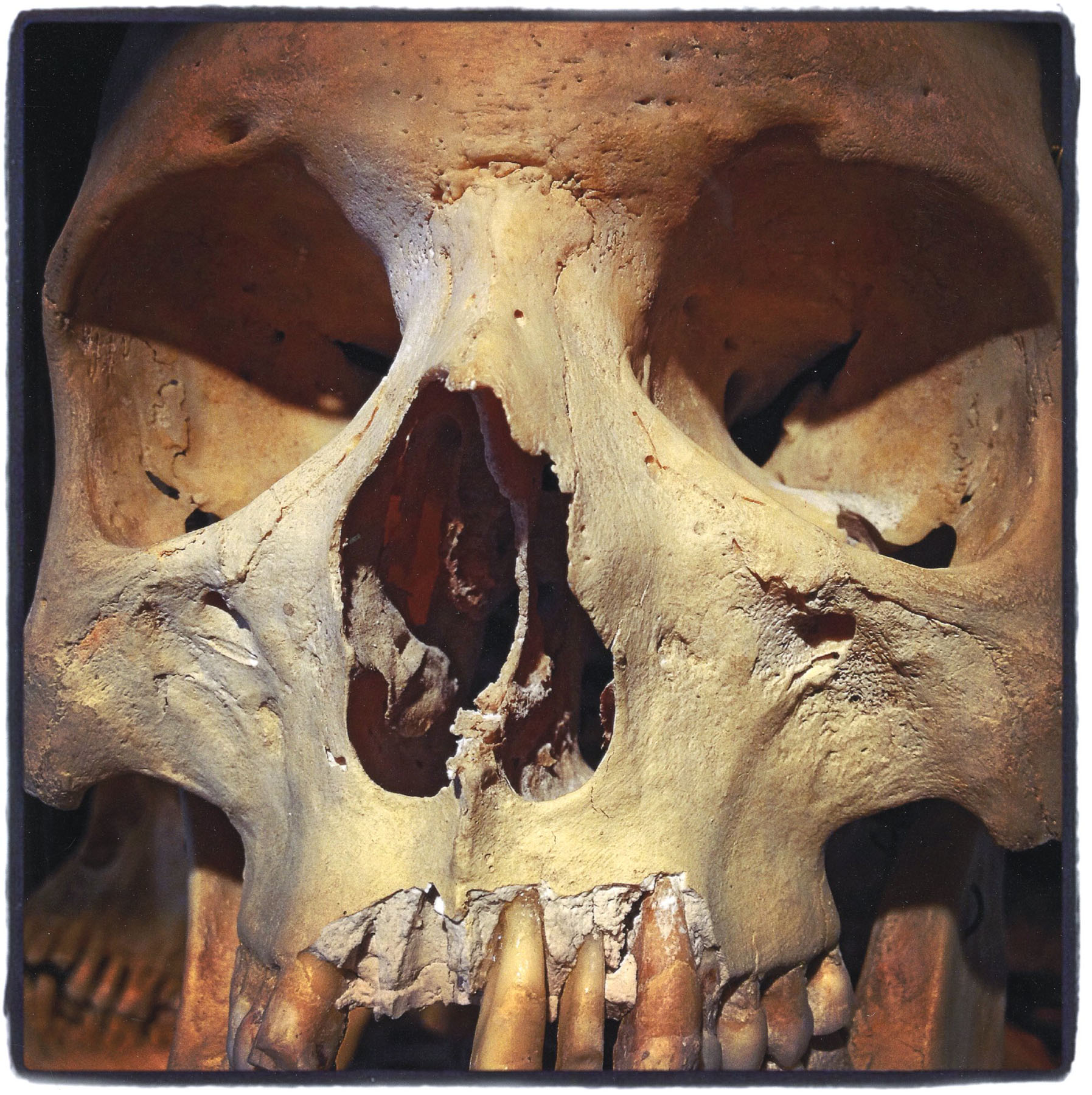
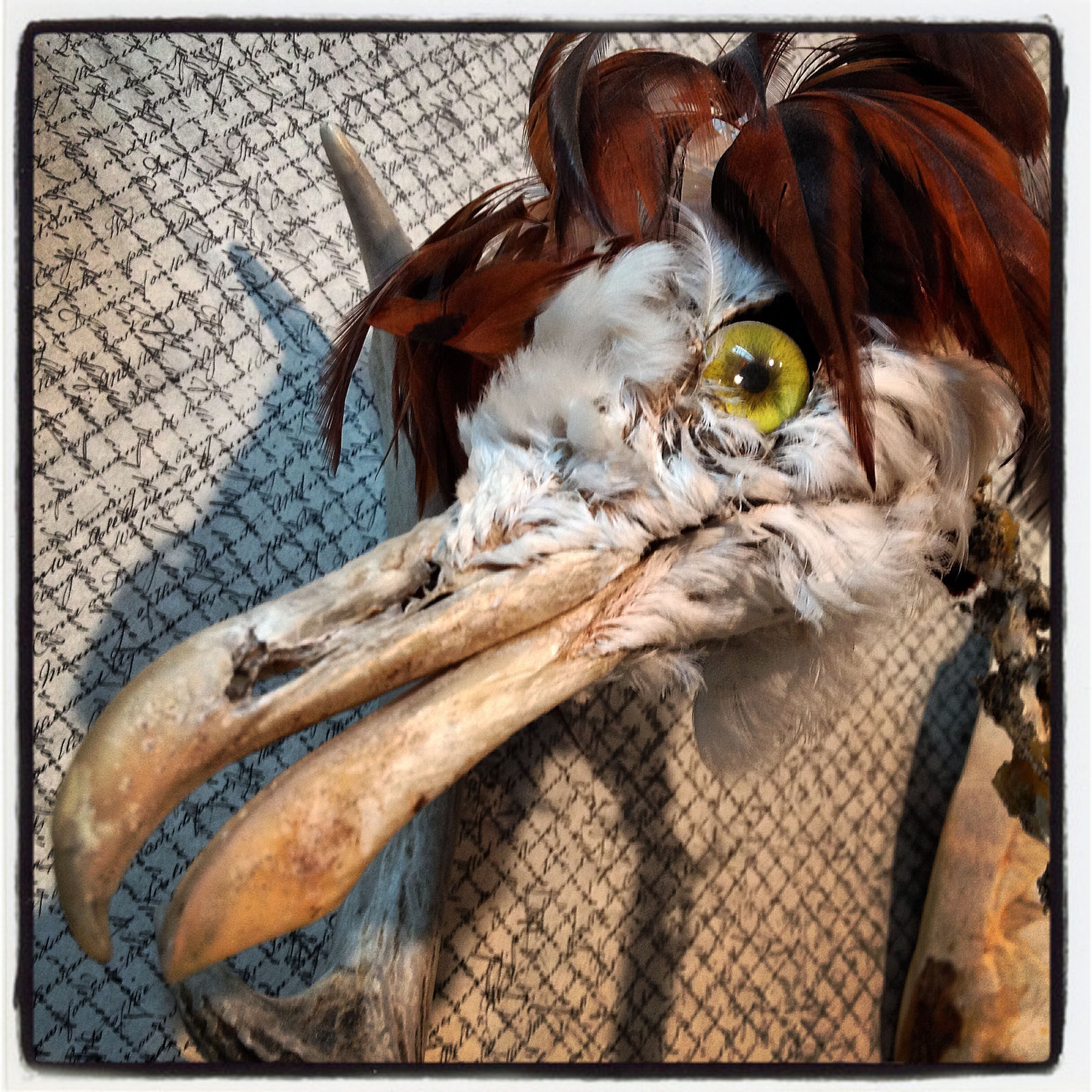
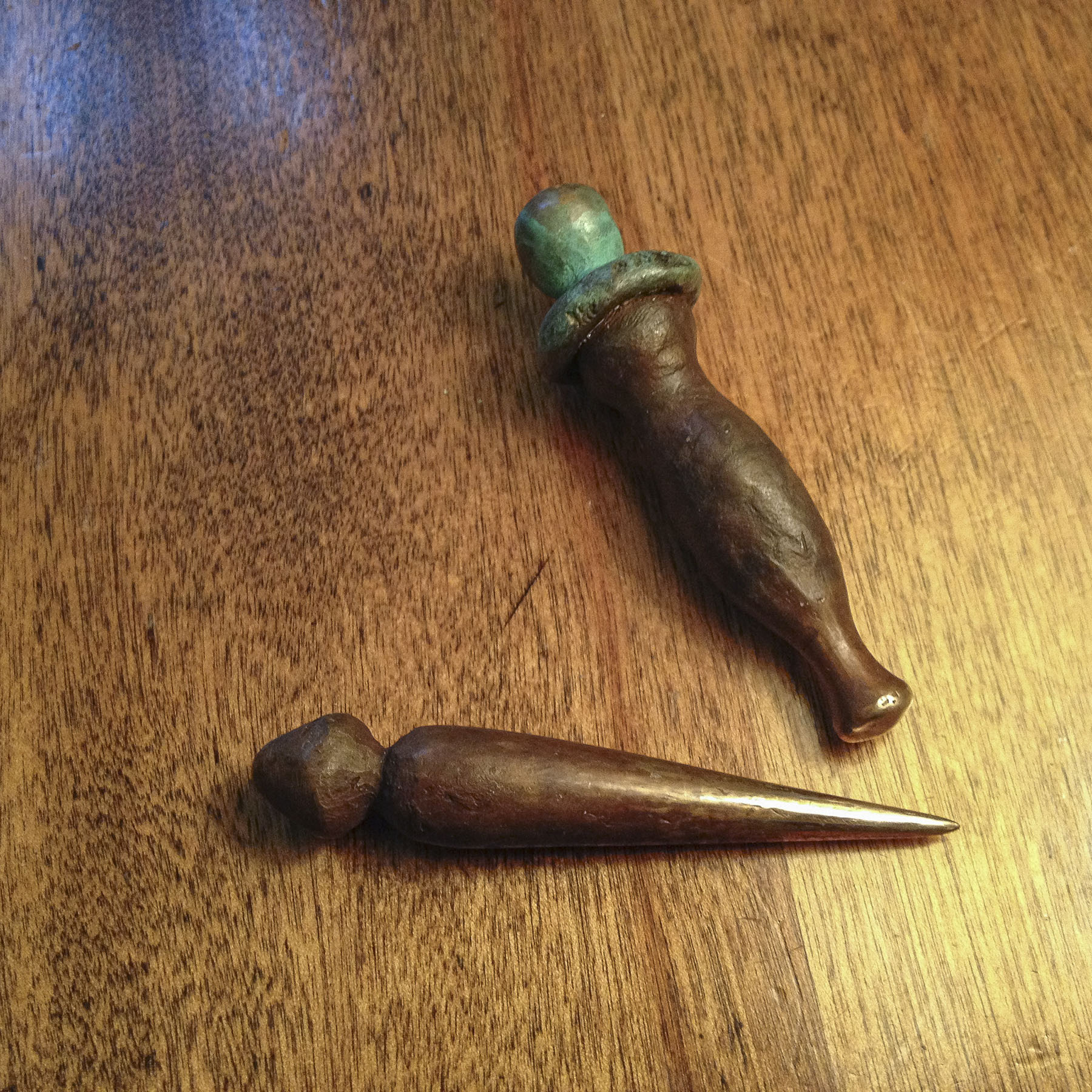
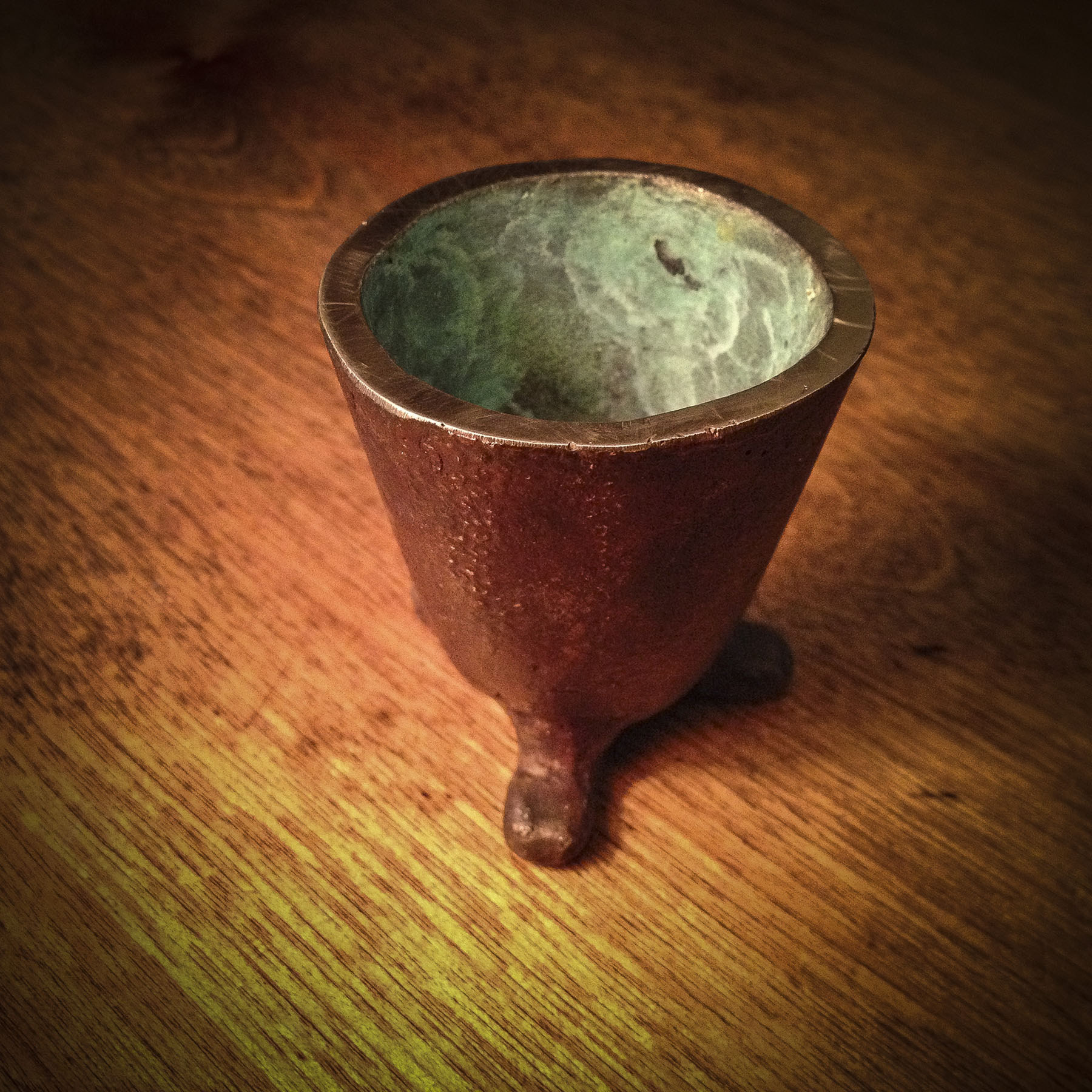
In order to inspire more photo-based imagery, I built an immersive still life creating a Wunderkammer or traditional Cabinet of Curiosities that I called The Lyric Cranium. All of the objects from my various collections, plus many more new ones, were arranged on display with a reference to traditional museum collections and conventions.
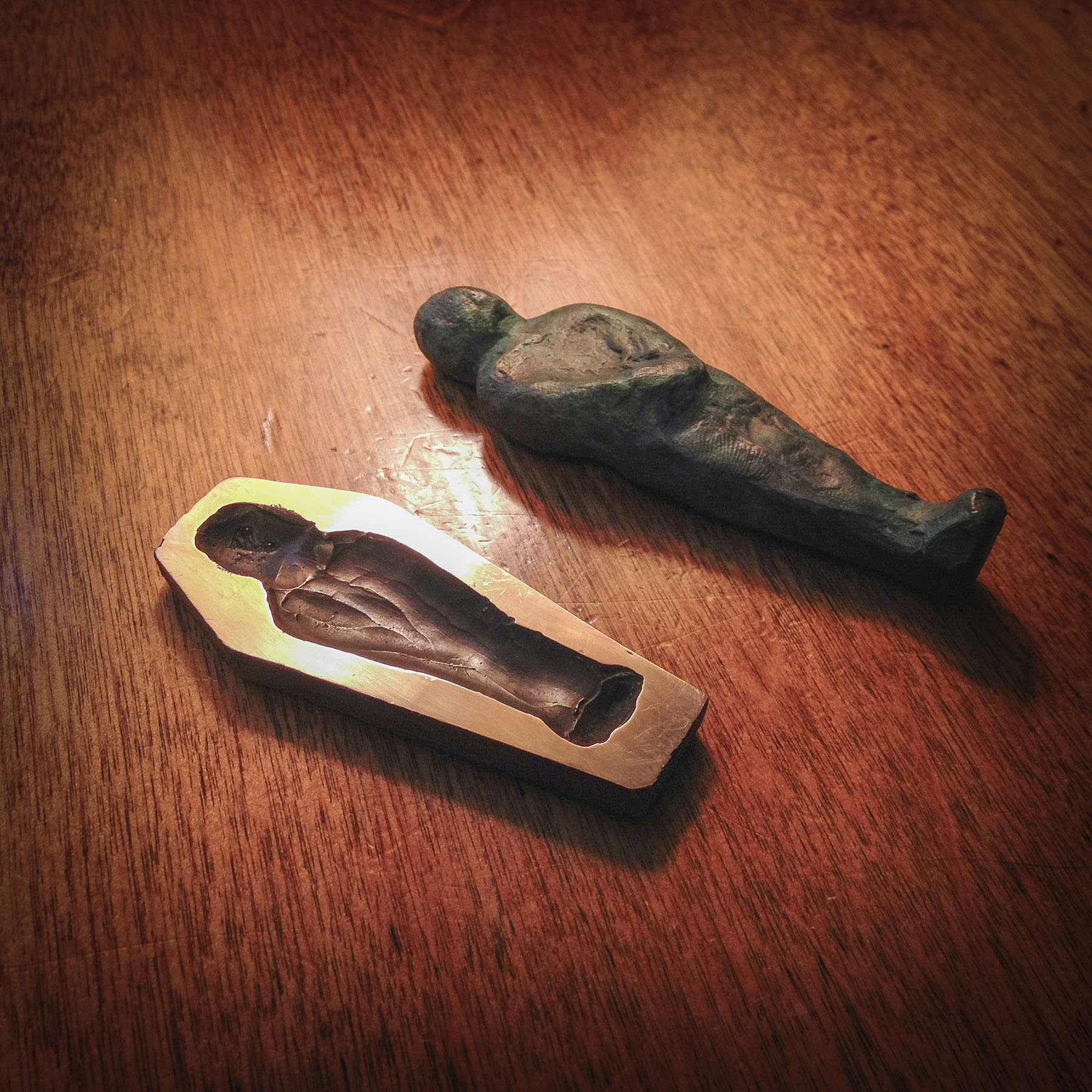
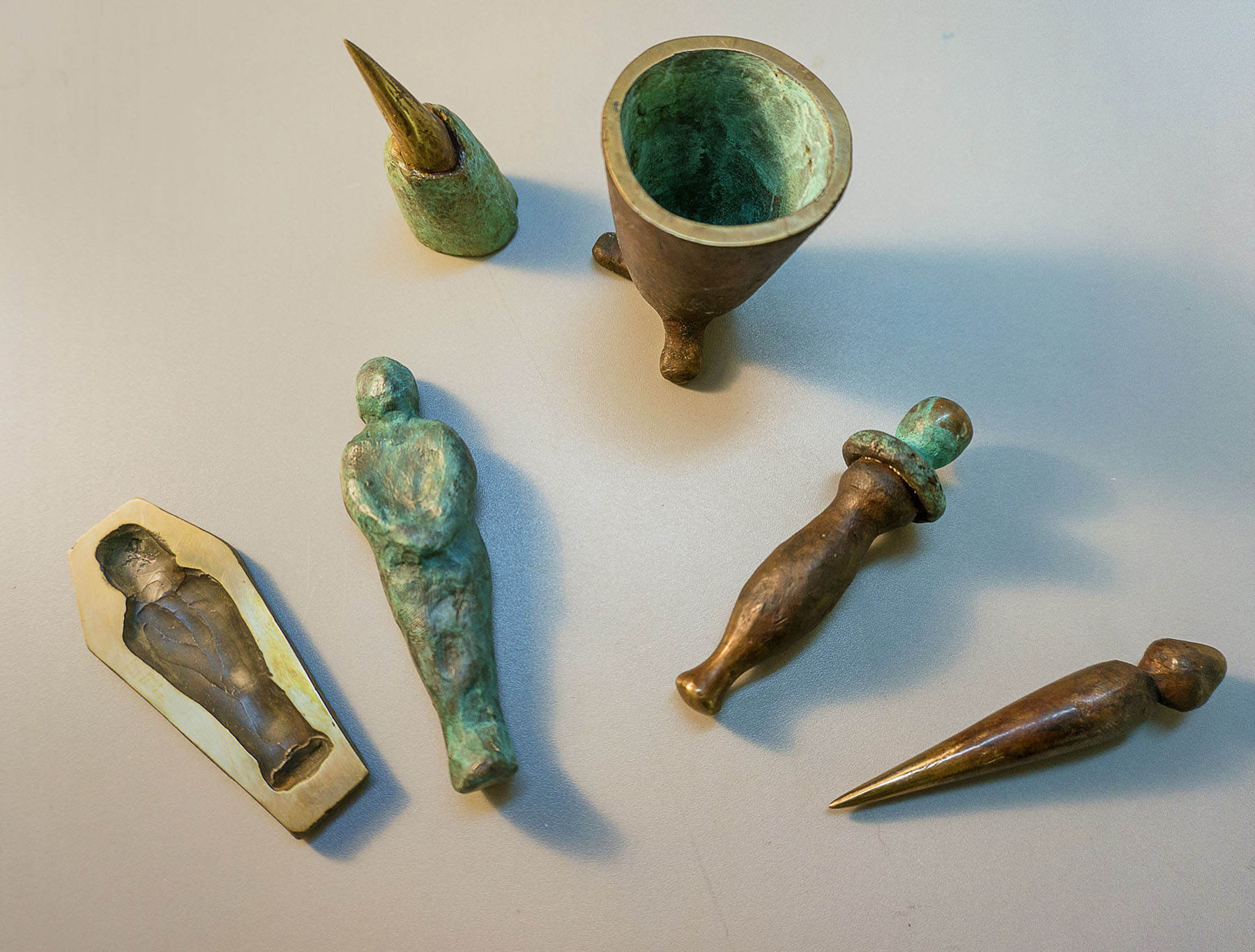
I thought that The Lyric Cranium needed more ancient artifacts to accompany the random collectables. Authentic physicality is necessary to instill wonder when creating and presenting believable artifacts. For example, an Egyptian mummy would be the best possible reference to antiquity, but they are impossible to obtain.
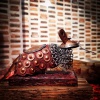
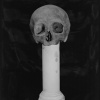
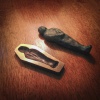
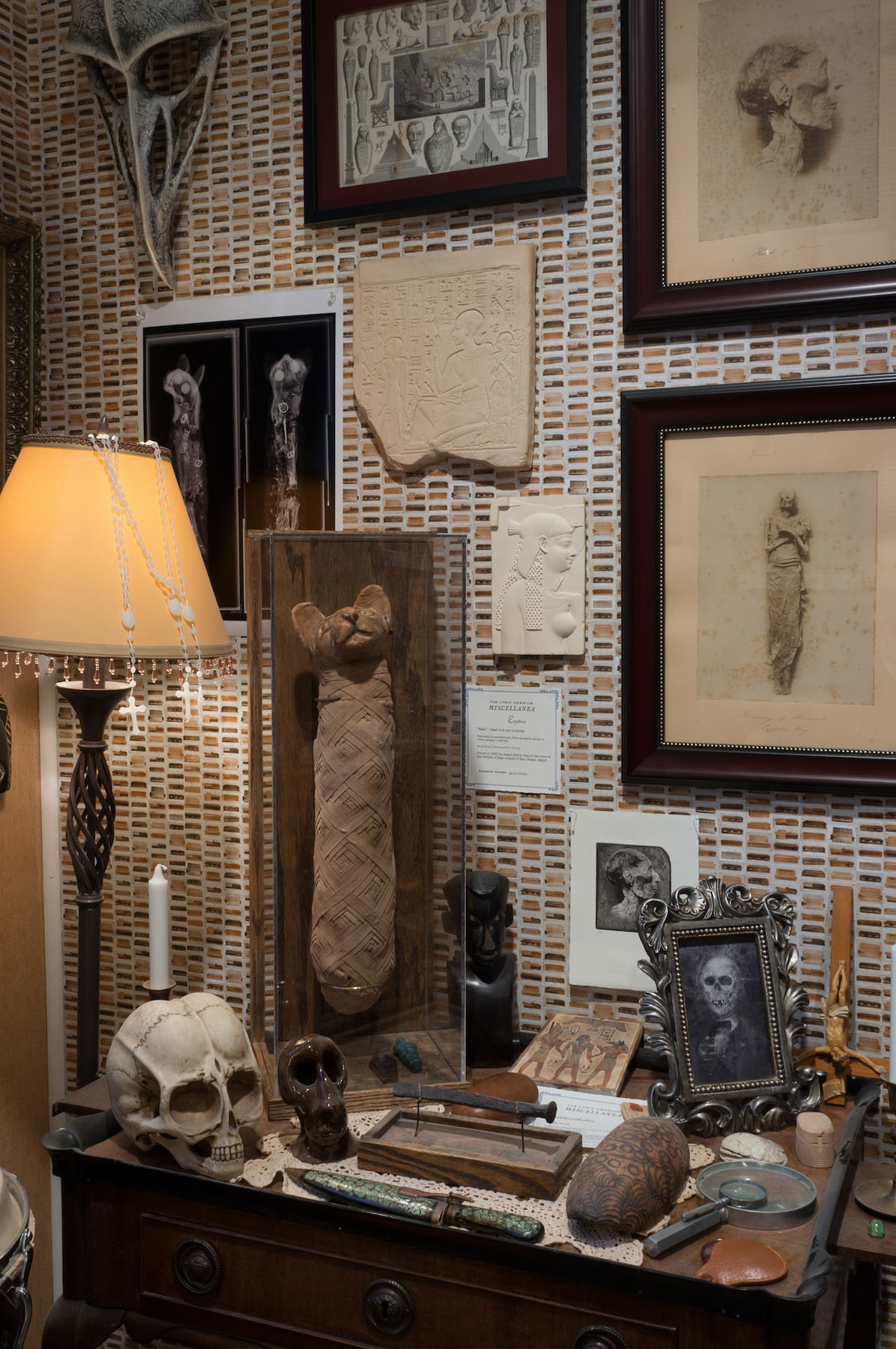
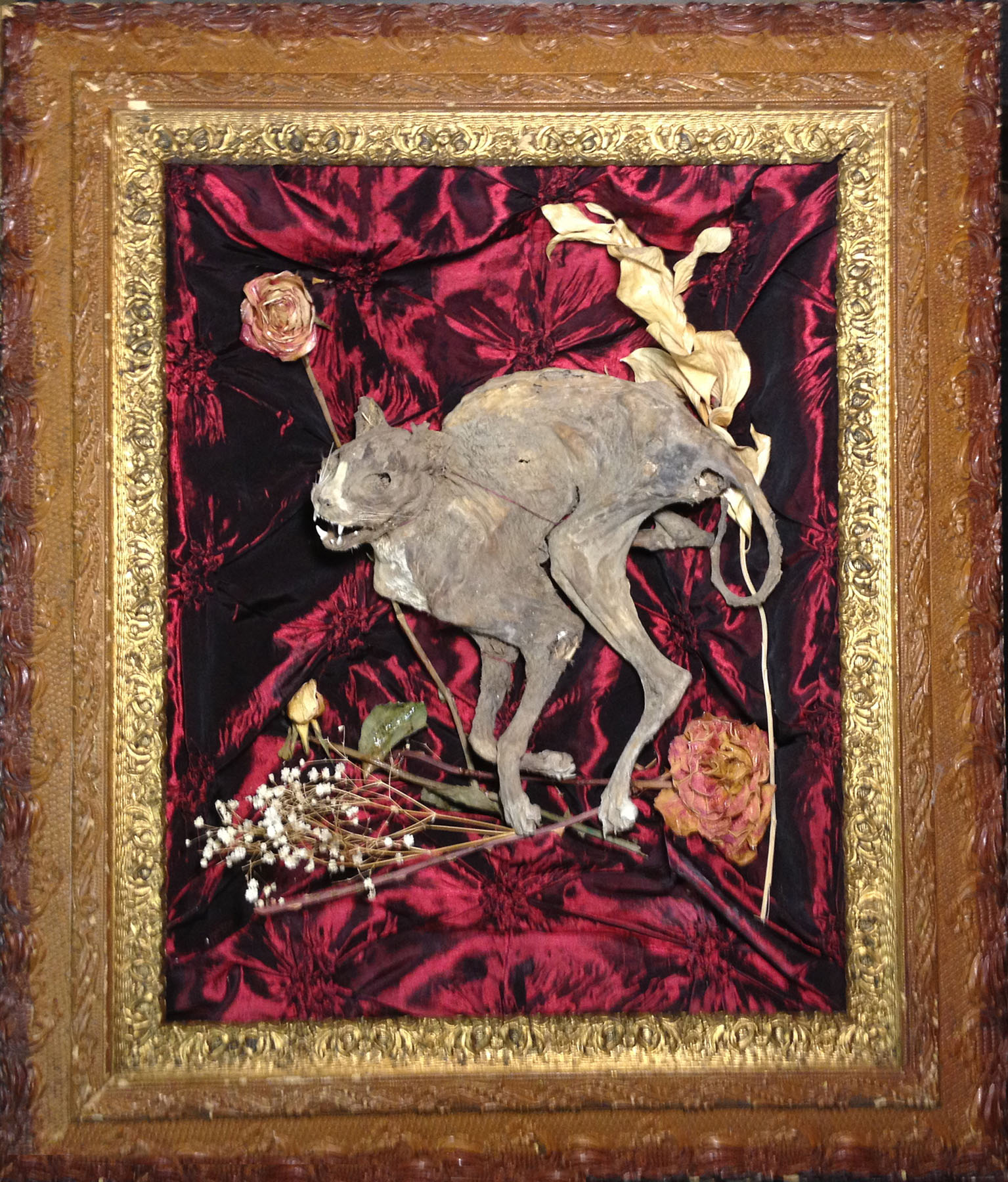
I decided to recreate a cat mummy looking exactly like an authentic 2300-year-old animal mummy from the Nile basin. I bundled up a real cat skeleton and wrapped it with precisely inter-woven linen strips similar to many examples found in museums. I artificially aged it and enhanced it with ancient looking jewelry. Alongside it, in order to add credulity, I provided a real x-ray of the details within it in order to prove it is not simply a hollow fake.
People will believe that something is real, partly because they want it to be real, but also if it has all of the attributes of the authentic referent. This is very satisfying, but I subvert this hasty conclusion with the accompanying x-ray evidence. Looking closely, one can find the cat’s bones, but also marbles, upholstery tacks and a tiny circuit board from a mobile phone.
Ephemera for the Wunderkammer
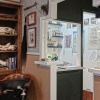
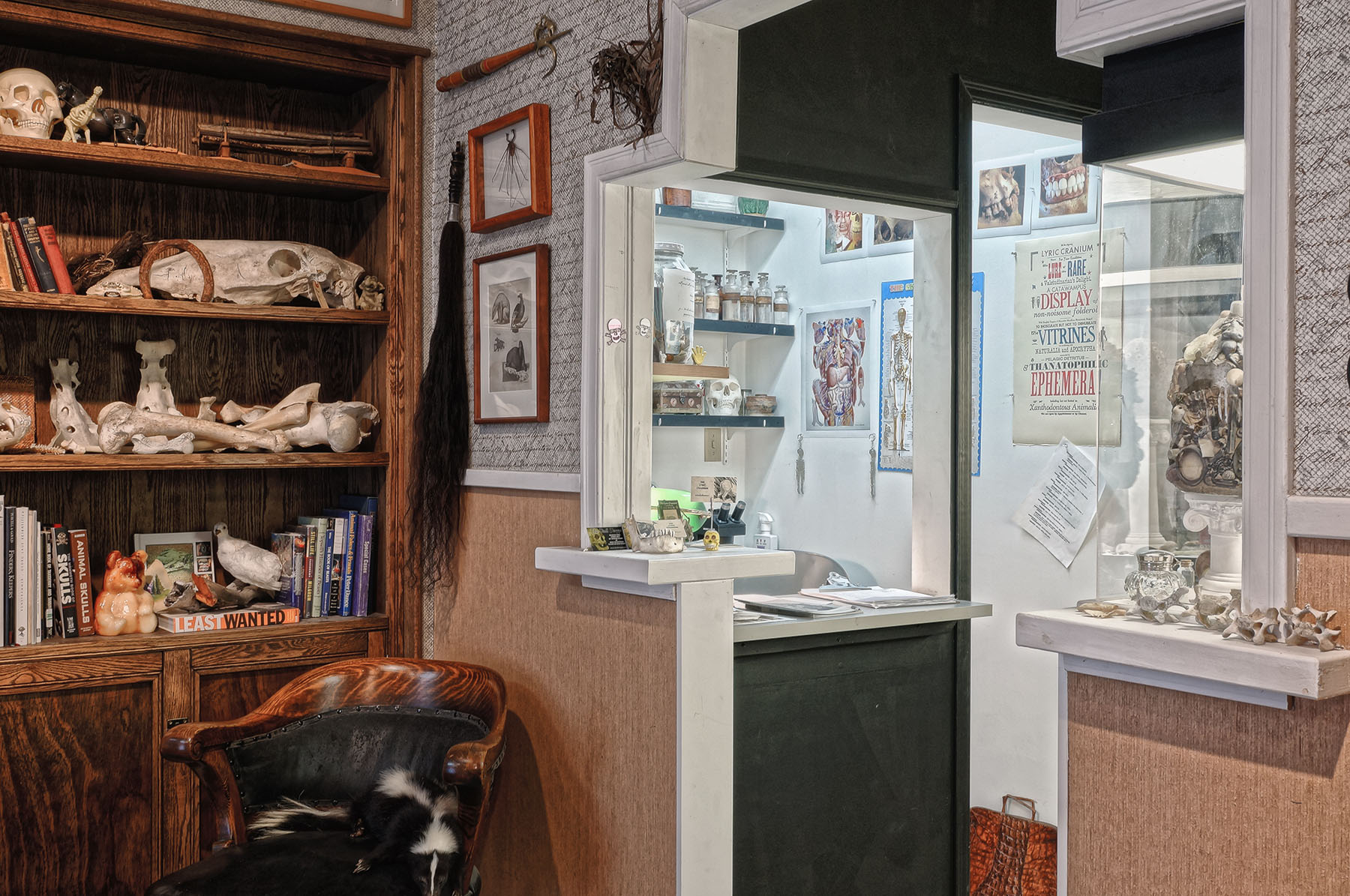
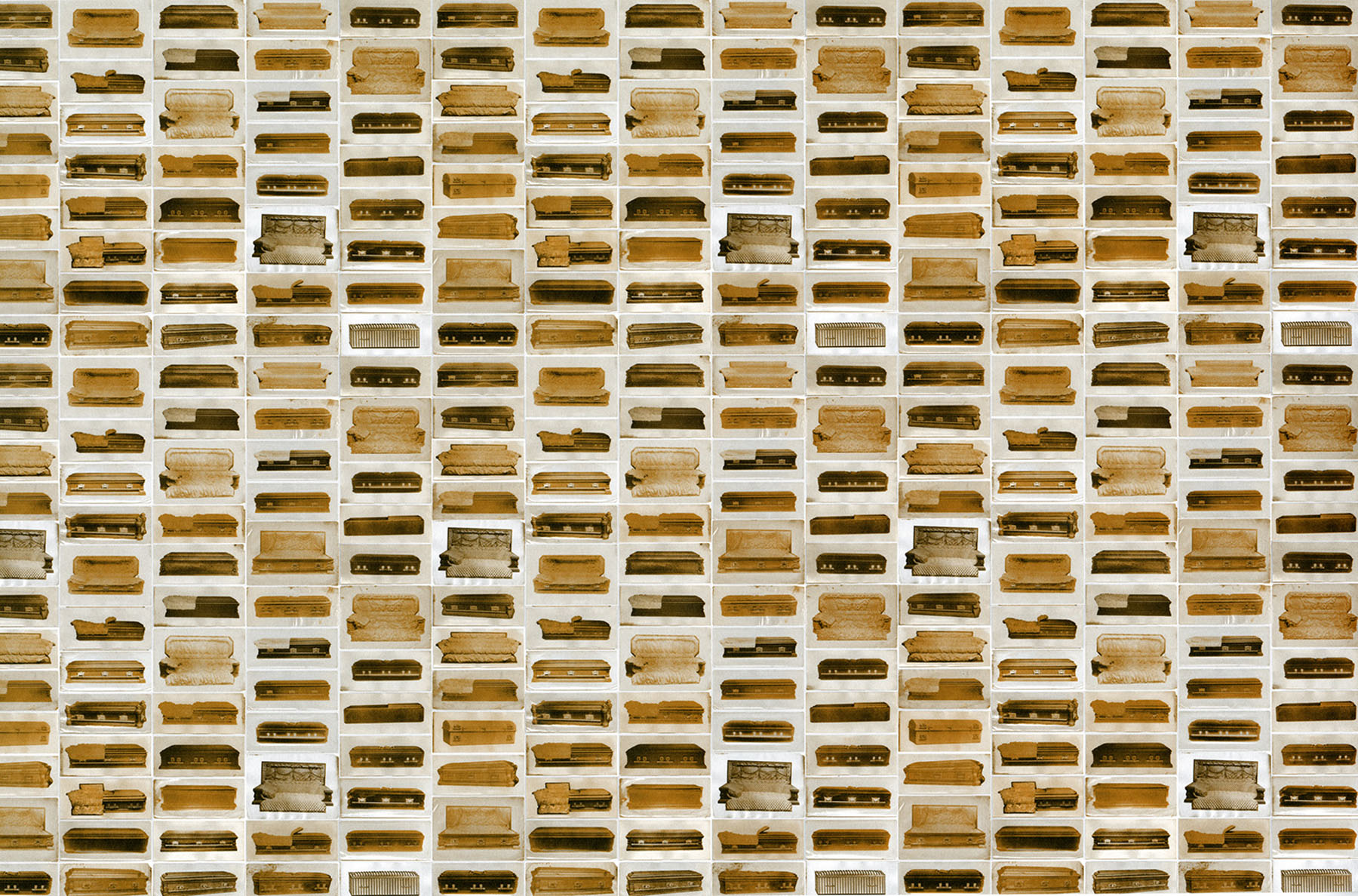
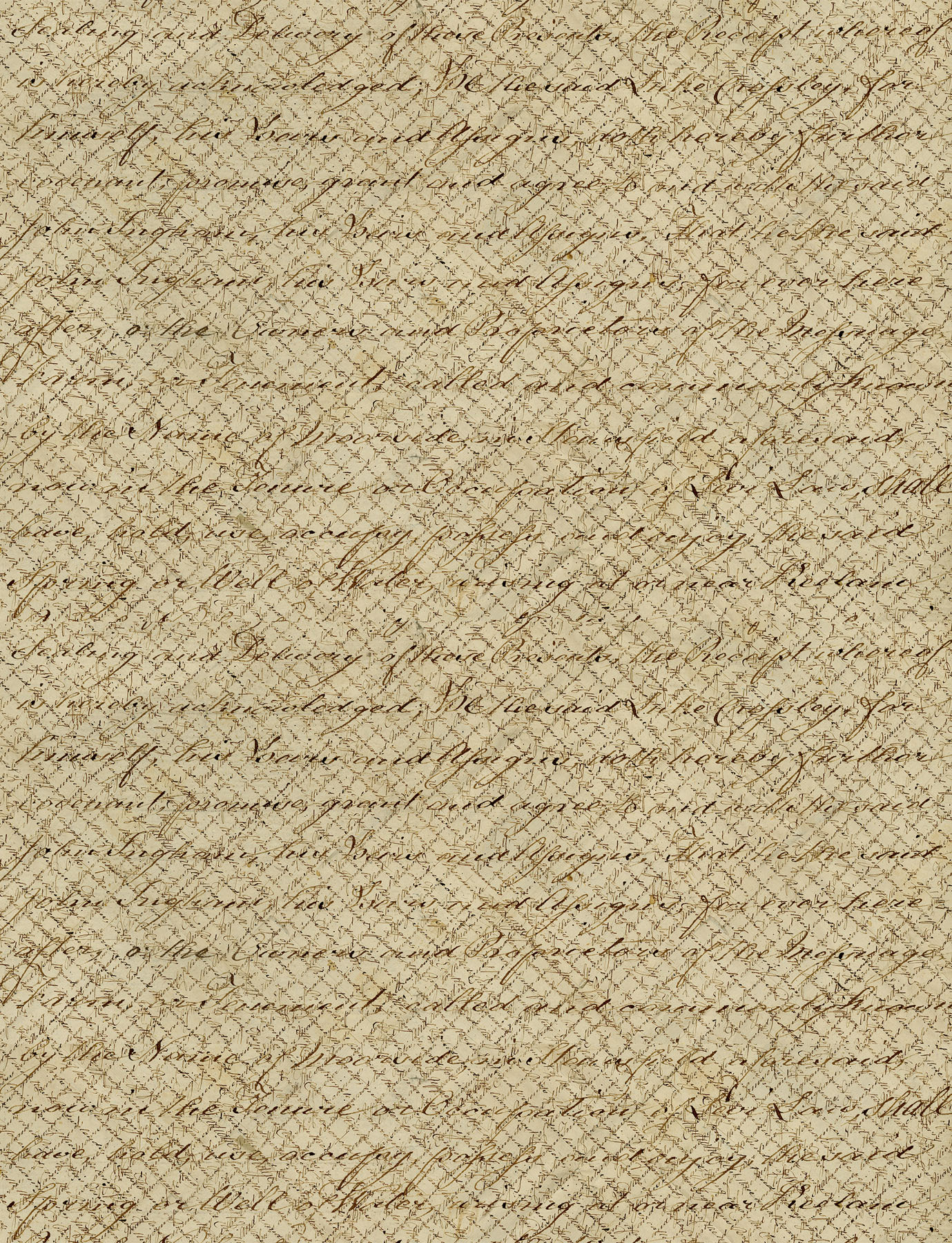
For the Wunderkammer to be convincing and believable, the display design, cabinetry and various ephemera were created specifically for this space. This included the wallpaper, item labels showing provenance and accession numbers, and the biographical information describing the original curators and collectors.
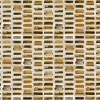
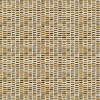
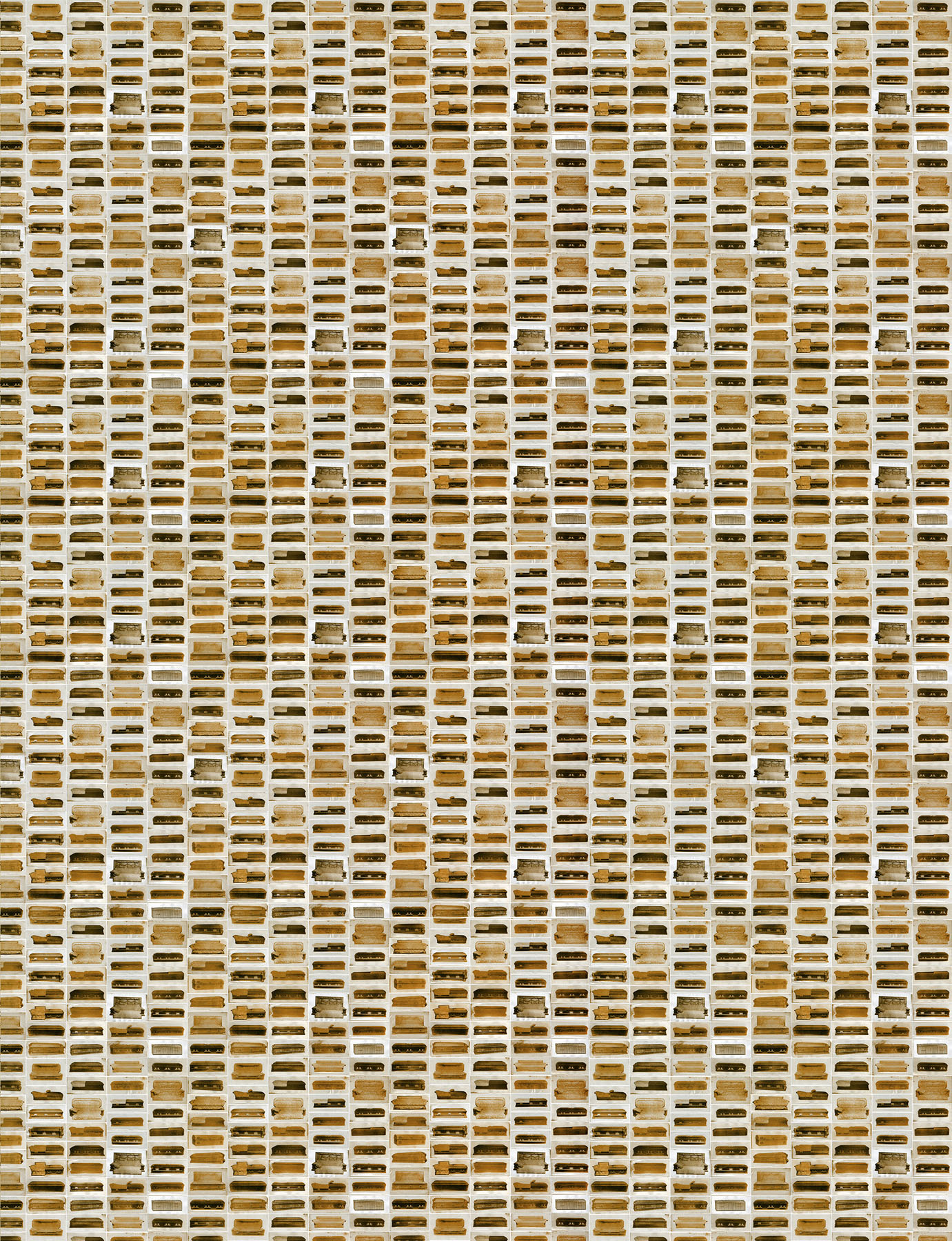
The wallpaper was collaboratively printed on an offset press at Columbia College in Chicago by Clifton Meador. Antique photos of coffins and the manuscript from a Victorian last will and testament formed patterns that referenced the morbid side of the Wunderkammer ethos and are a visual treat for the observant visitor to discover.
The letterpress labels included scientific nomenclature, accession numbers, and some relevant so-called facts.
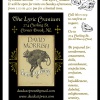
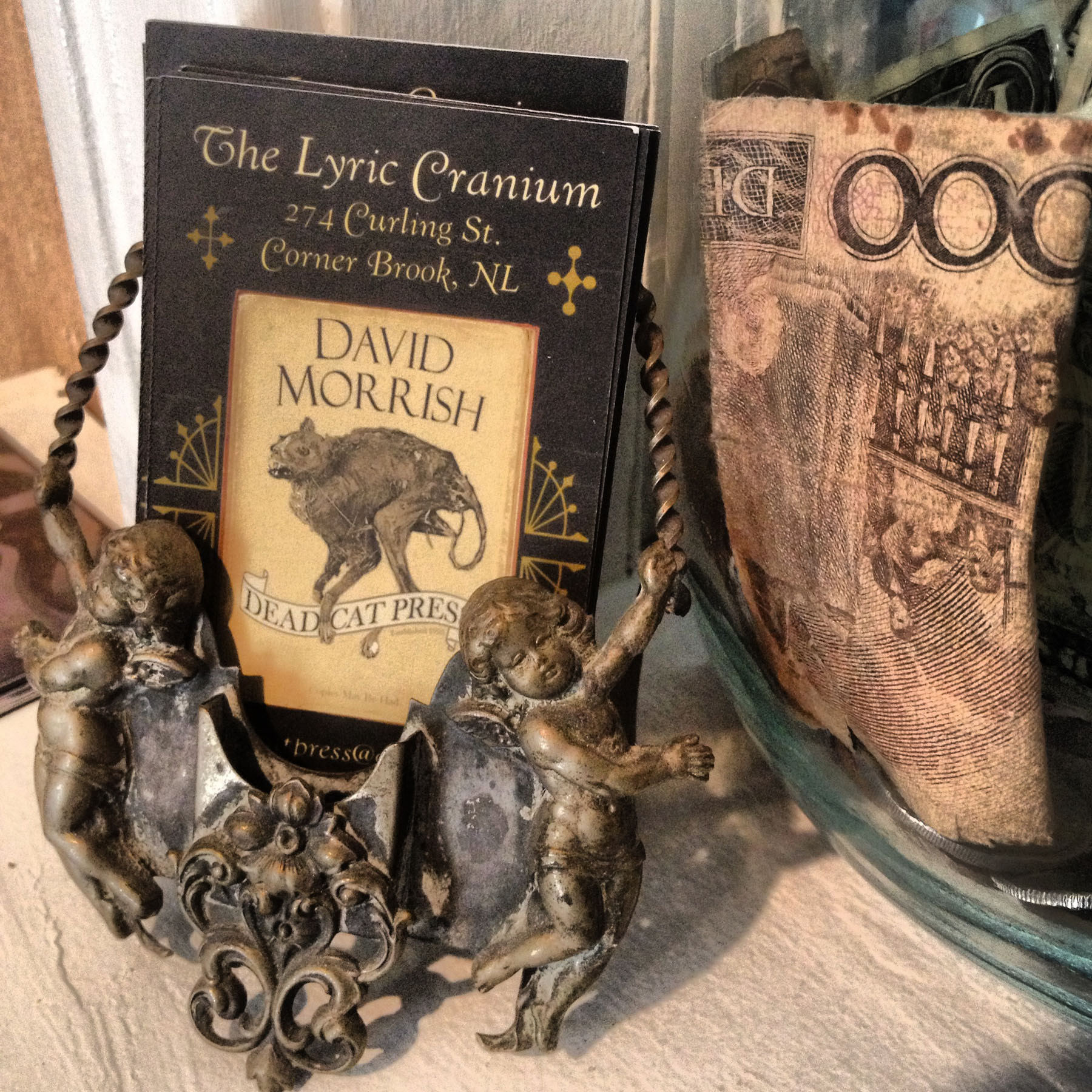
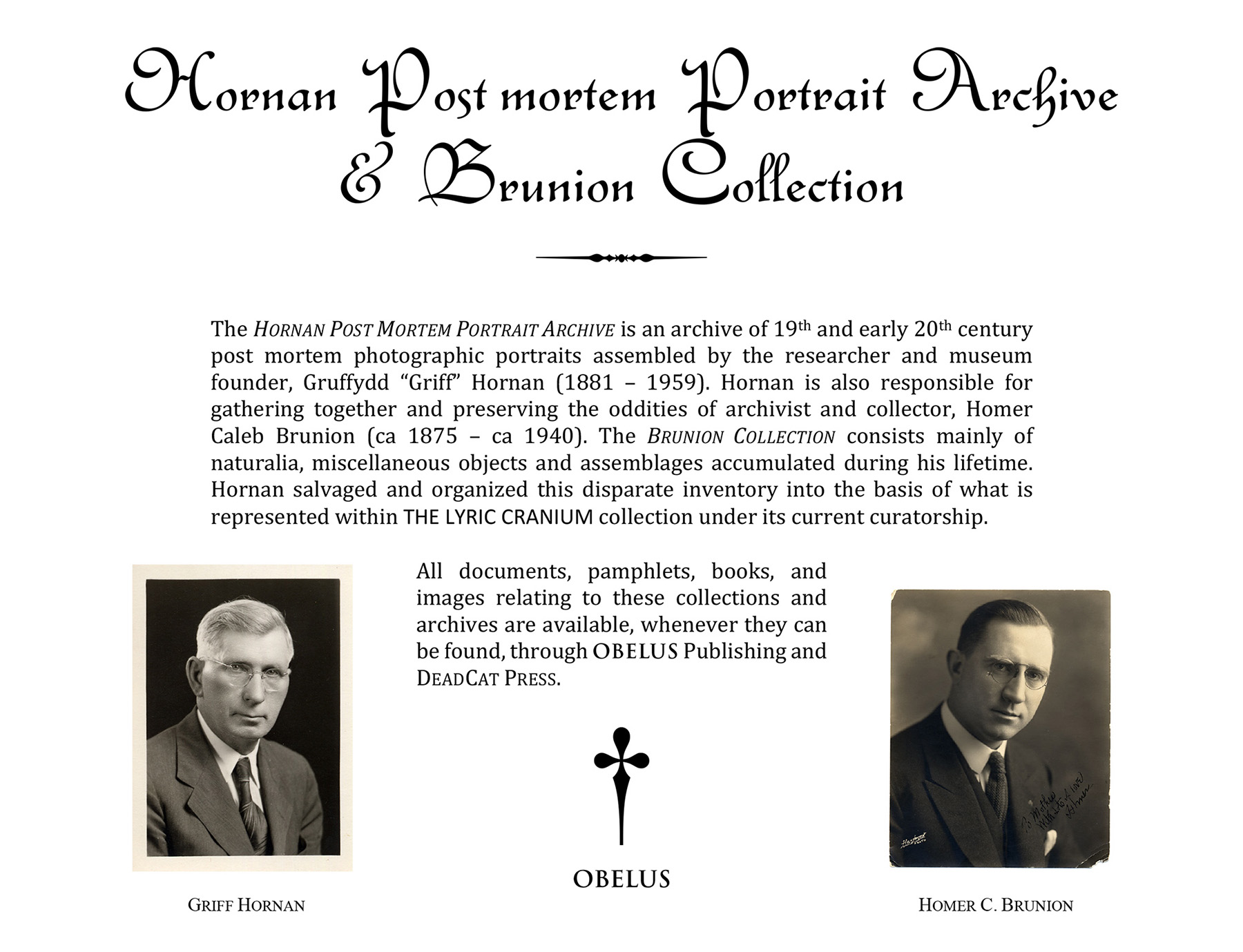
I created detailed biographical pamphlets to solidify the backstory of The Lyric Cranium collection’s originators, Griff Hornan and Homer Brunion.