Artist Statement
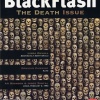
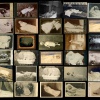
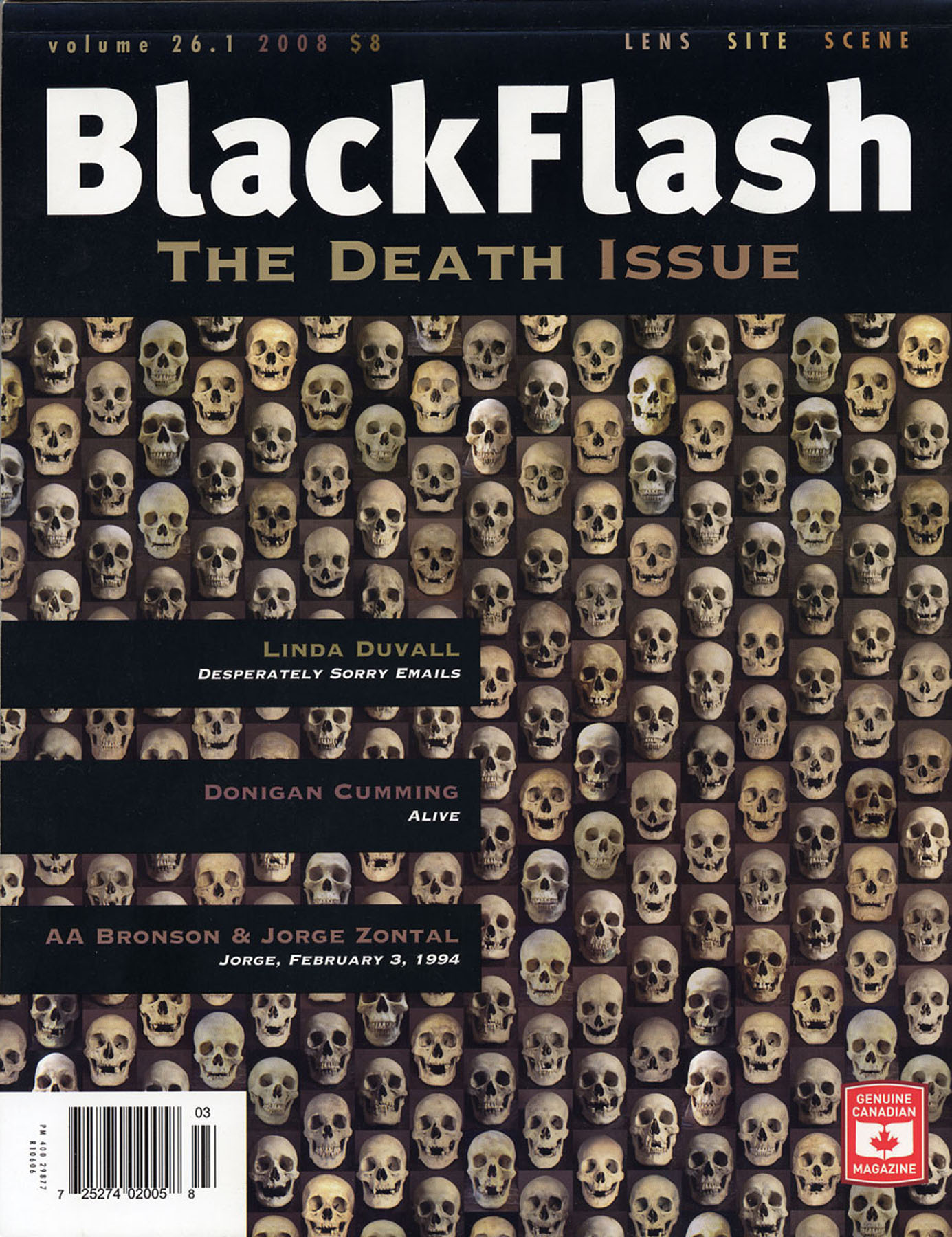
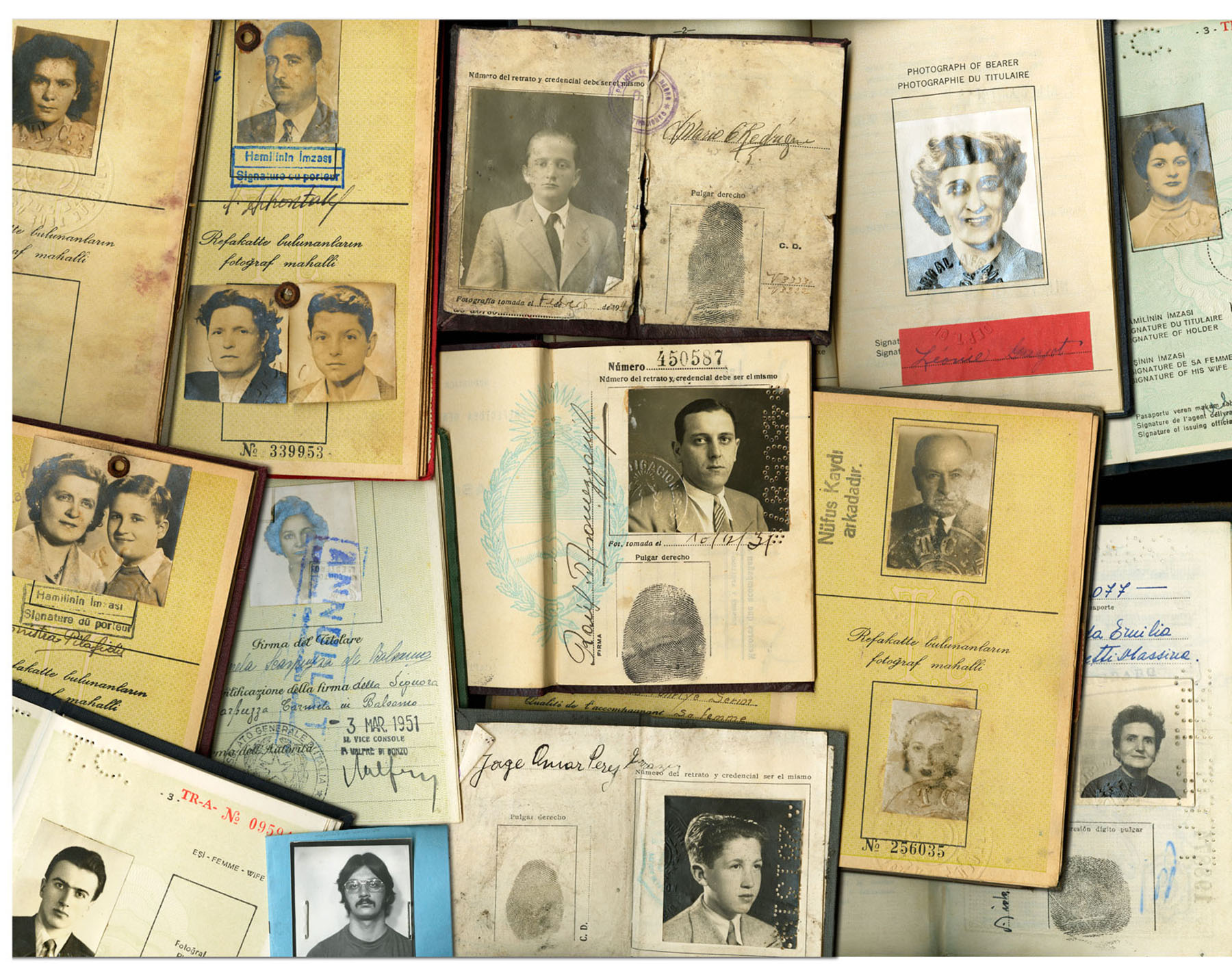
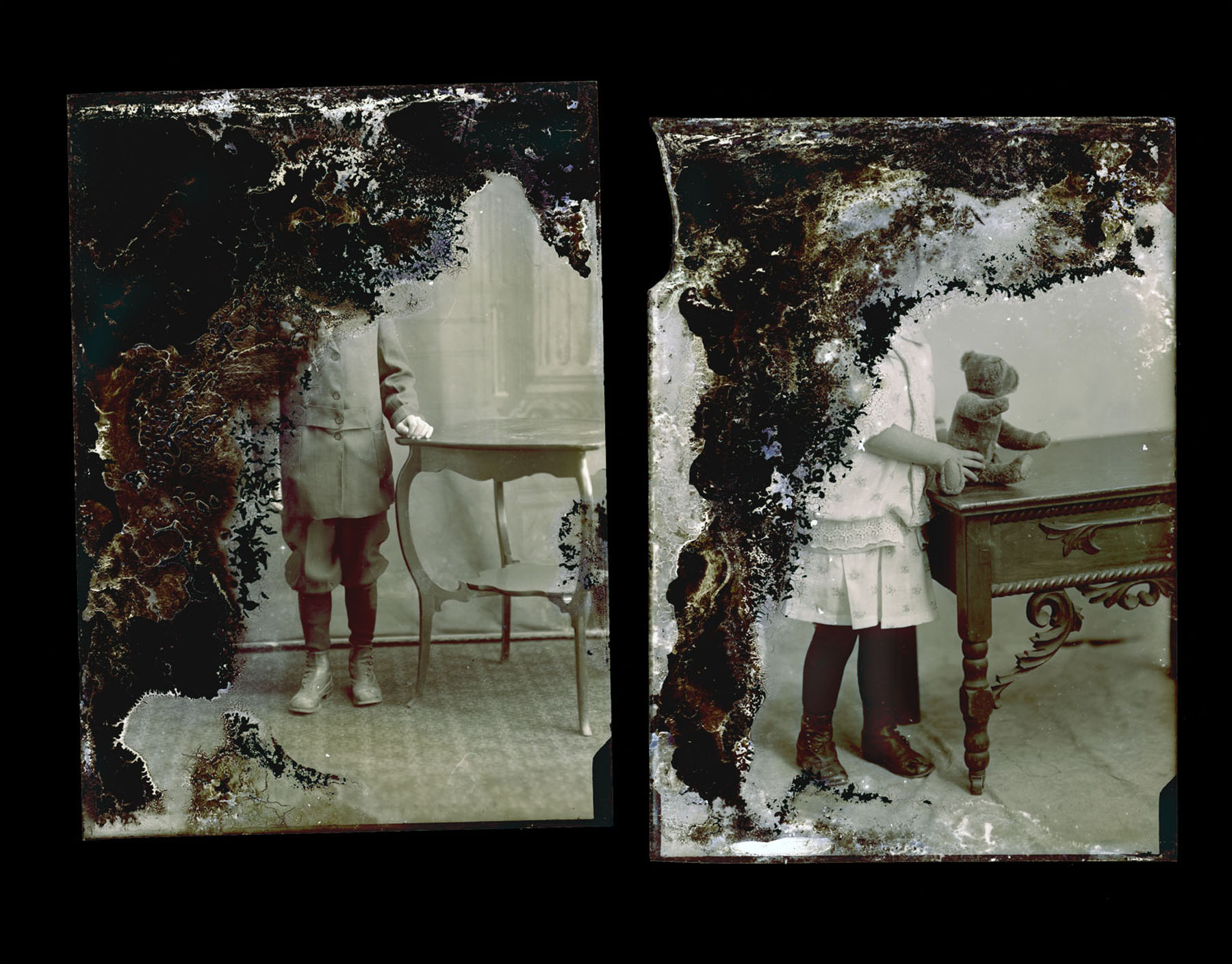
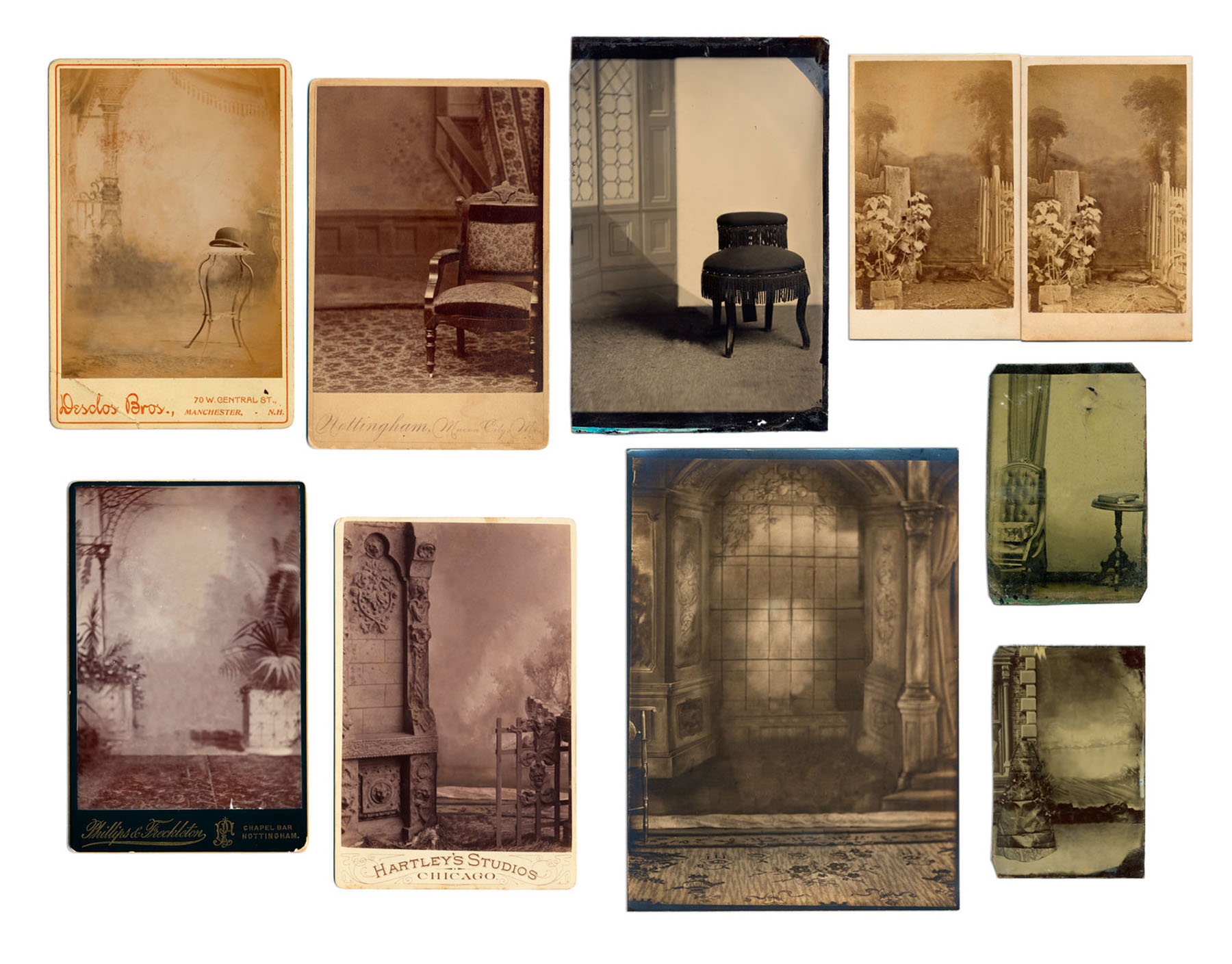
In the Autumn 2008 death issue of BlackFlash, David Morrish offers up a nine-page image sequence which deals with mortality. Collections of photographic ephemera, such as passports, decaying or manipulated portraits and postmortem portraits from the 19th and early 20th centuries, advertising prints of caskets, and a never-ending pattern of human skulls, make up the content. An excerpt from Edgar Lee Masters’ Spoon River Anthology provides a mother’s fatalistic voice in the dark uneasy silence of the imagery. These collections of artifacts have fed his interests in the difficult questions surrounding mortality and his search for ways to visualize them.
The Images and Text:
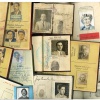
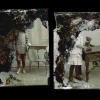
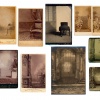
The sequence begins with an array of identity and passport pictures, many from abroad (Argentina and Turkey). As far as we know, most of these people are long gone, or at least very old. These passport pictures represent specific people and proof of their existence. The decaying glass negatives reproduced on the next page were also of individual people, but their specificity is forever lost to us now. These almost gone children are juxtaposed with a page of early portrait settings. We see the empty studio with the ragged backdrops and worn carpets, but no sign of the person who usually occupies the center stage of these formal portrait sittings. Have they vanished, or simply stepped off-camera for a minute? This minute becomes an eternity as these images are already over a century old.
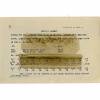
The poem or epitaph is from Edgar Lee Masters’ brilliant Spoon River Anthology. We hear the voice of Elizabeth Childers. She has obviously had a hard time of her life and wishes the same to no child, even her own as she died giving birth to it. Dark and bitter, the text provides a fatalistic tension to the post-mortem portraits across from it. These photographs are no longer straight-forward family tragedies.
DUST of my dust,
And dust with my dust,
O, child who died as you entered the world,
Dead with my death!
Not knowing
Breath, though you tried so hard,
With a heart that beat when you lived with me,
And stopped when you left me for Life.
It is well, my child.
For you never traveled
The long, long way that begins with school days,
When little fingers blur under the tears
That fall on the crooked letters.
And the earliest wound, when a little mate
Leaves you alone for another;
And sickness, and the face of
Fear by the bed;
The death of a father or mother;
Or shame for them, or poverty;
The maiden sorrow of school days ended;
And eyeless Nature that makes you drink
From the cup of Love, though you know it’s poisoned;
To whom would your flower-face have been lifted?
Botanist, weakling?
Cry of what blood to yours?–
Pure or foul, for it makes no matter,
It’s blood that calls to our blood.
And then your children–oh, what might they be?
And what your sorrow?
Child! Child Death is better than Life.
Elizabeth Childers’ epigraph from Spoon River Anthology, by Edgar Lee Masters
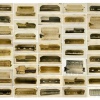
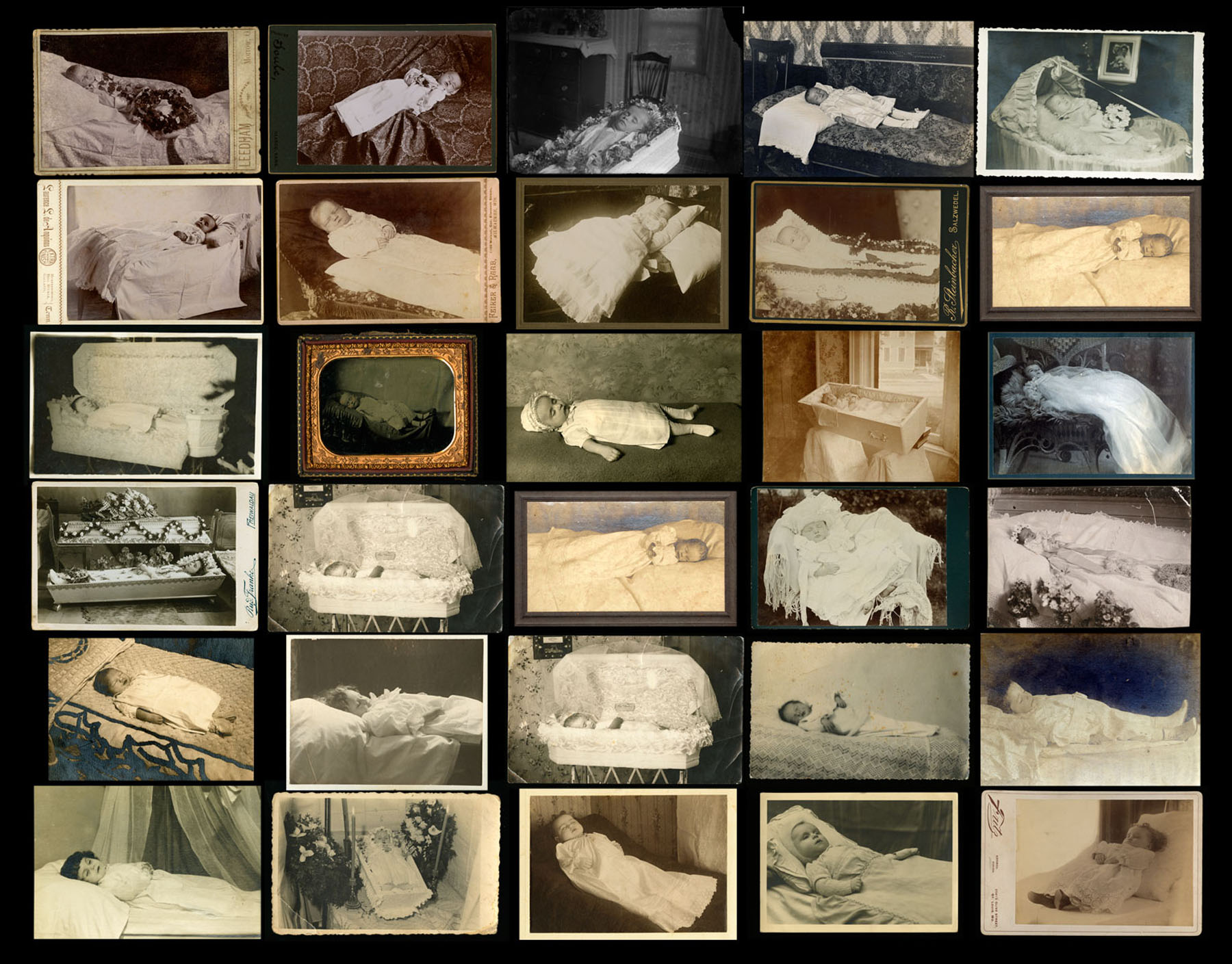
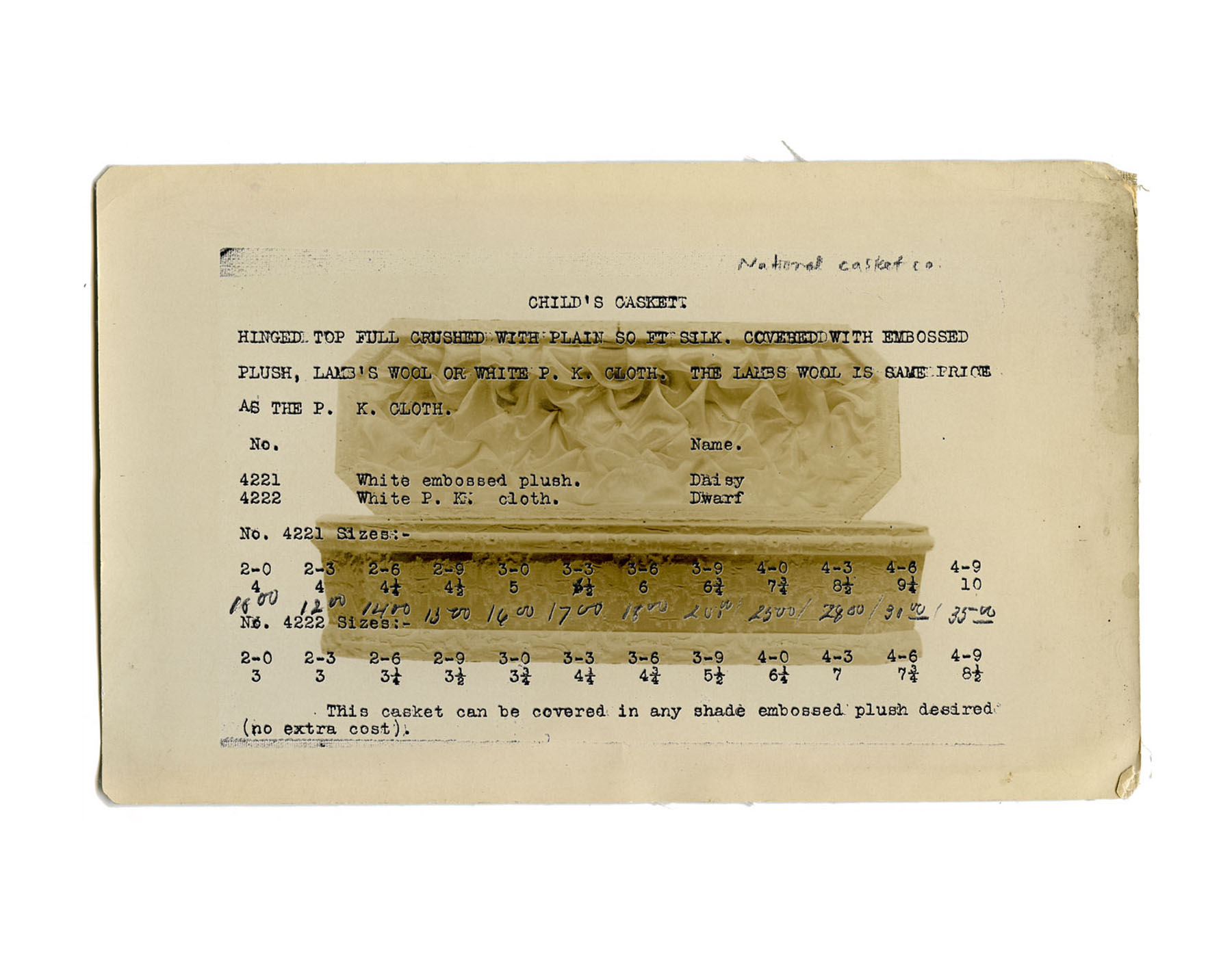
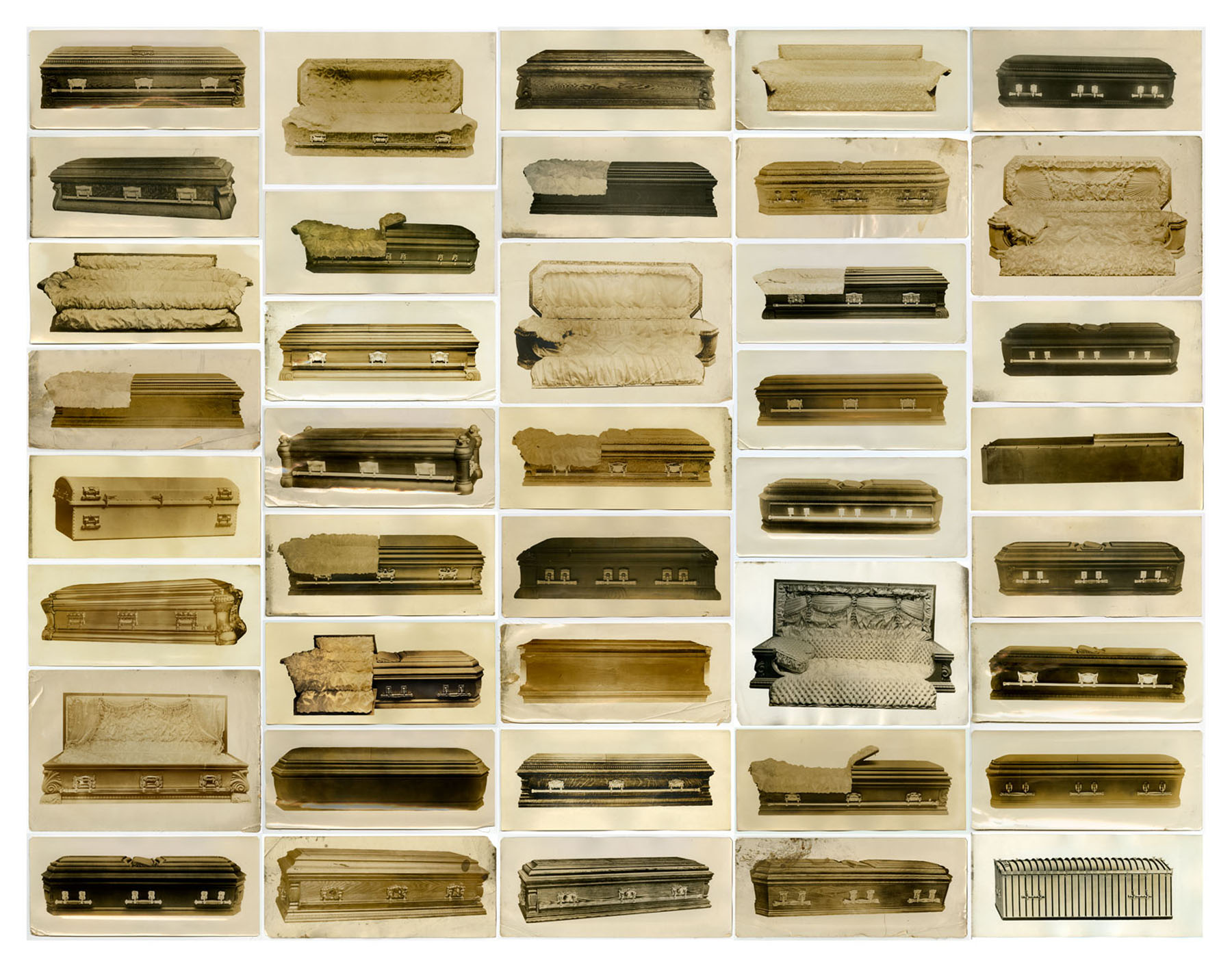
The grid of post-mortem portraits of young children, often newborns, connects us to the chilling reality of infant mortality in the 19th and early 20th centuries. By far the most common form of post-mortem portraiture at that time, these portraits speak of the parents’ desperate attempt to capture an image before they are forever gone from their sight. In that era, these children would not yet have been photographed, in contrast to the ubiquitous newly-come-home baby snapshots of modern times. Infant mortality and lives unlived is reinforced by the child’s casket on the following page, with the data of commerce overlaying the image. The following inventory shots, also of the period, speak of the variety and the seeming individuality of casket designs available to the ever-expanding throngs of the newly-dead.
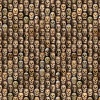
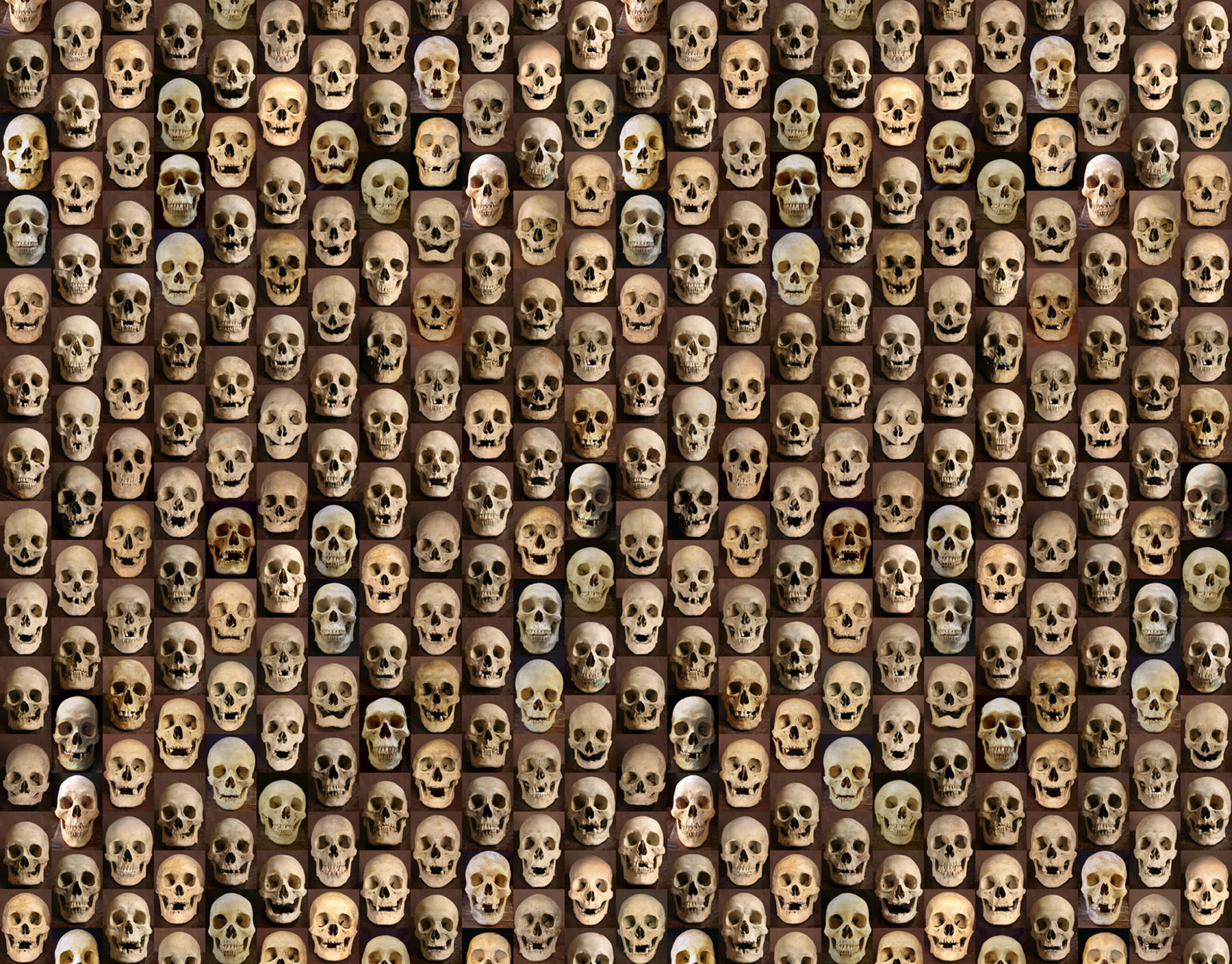
The sequence ends with a double-page spread of hundreds of tiny human skulls, all different, each showing the physical characteristics of individuality and even personality, but simultaneously, all without an identity or a place in our family histories. We are forced to recognize these little skulls as past humans, not the simplified, sanitized, and ubiquitous icon we see today.
Sequence and Juxtaposition:
The magazine or book provides a built-in sequence or order. Most people will experience the work in that order, from start to finish. By arranging the images into this particular sequence I set up a flow from the specific individual to the unknown multitude. Identity and individuality is eroded, people are missing or lost, and we are faced with the nameless dead that precede us and will continue to expand over time. As the sequence progresses, the randomness of the scatter becomes more and more organized, locked into a grid, and then ultimately a pattern. Even when viewed in reverse, or with pauses and direction changes, the image flow is kept intact by the form. On a wall, these works would lose something of their linear impact and charged pairings.
The sequence addresses the concept of loss of identity and the erasure of the self. The piece ends with an image that strengthens the fact that people provide a never-ending stream of ultimately anonymous skeletons. In only a small percentage of cases, our works may survive us, disconnected from our corporal selves, in the form of offspring, records, texts, images, ideas and outcomes that may have an effect on society and the world.
Why These Images:
As with much of my art practice, the concept of inventories plays a role in these collections: the records of people, their containers, and ultimately, their skulls.
The portrait collections are records of past lives, long forgotten people who were as involved with life as any of us today, but who disappear from memory as the years go by. It is even more profound that the small children are lost and forgotten before they had a chance to leave a legacy. They represent lives unlived, futures unrealized. I see the ironic simultaneity of these portraits as the alpha and the omega, the beginning and the end.
The Big Questions:
Of course, when one explores such profound concepts as identity, legacy and mortality, one asks questions that usually have no clear answers. What does our time here mean? Is it possible to leave a long-lasting mark? What about all those who cannot or are not given the time? Each of us establish our own answers for these questions, but answers that apply only to ourselves. These answers are based on our belief systems, our cynicism or our optimism. As a skeptic, I am searching for rational answers that might comfort me. As an artist I am reveling in the richness of the exploration. As a human, I am doing what comes naturally.